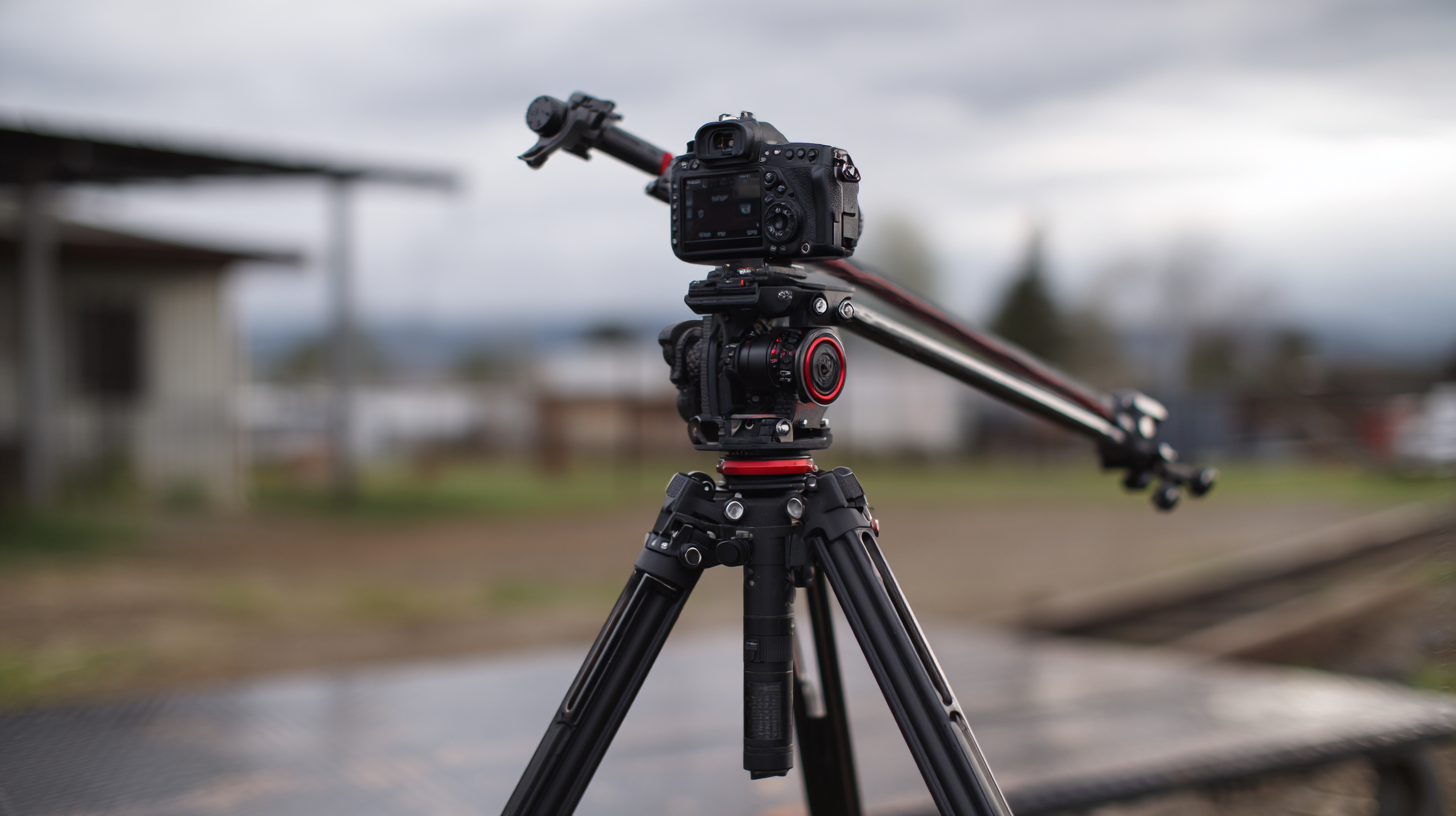
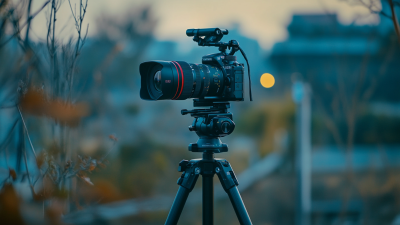
You know, in the ever-changing world of photography, it’s really hard to overstate how important it is to have the right gear. One piece that’s become pretty much a must-have for both pros and hobbyists alike is the Overhead Tripod. I recently came across a report from Grand View Research — they’re saying the global tripod market might hit around USD 1.5 billion by 2025. That’s mainly because more photographers are looking for stability and versatility in their shots. A company called Zhongshan AOKA Photographic Equipment Co., Ltd. has really made a name for itself in this space, producing high-quality tripods out of Tanzhou Zhongshan — an area known for its history of photographic innovation. As we go through this complete buying guide, I’ll cover the industry standards and practical ways to use overhead tripods so you can make smarter choices when picking out the right gear for your photography needs.
Key Features to Look for in Overhead Tripods
So, when you're picking out the best overhead tripod, it's pretty important to get a feel for its main features. You wanna make sure it’s up to the task—like, can it handle the weight of your gear? According to the folks at the Imaging Resource Institute, tripods that can support anywhere from 15 to 20 pounds are spot-on for professional cameras and accessories. This means your gear stays safe and steady, without any worries about it tipping over—super important, especially if you're shooting in tricky environments or using heavy lenses and extra gear.
Another thing to keep in mind is how adjustable the height is. I read that around 70% of pro photographers and videographers prefer tripods that let you change the height easily. It just gives you so much more flexibility for different angles and shooting styles. A good overhead tripod should extend to at least 8 feet—this way, you’re ready for everything from studio recordings to outdoor shoots. And let’s not forget about stability—rubber feet or weighted bases really help keep everything steady, especially on uneven ground, which makes a huge difference during those critical moments got to get right on camera.
Understanding Different Types of Overhead Tripods
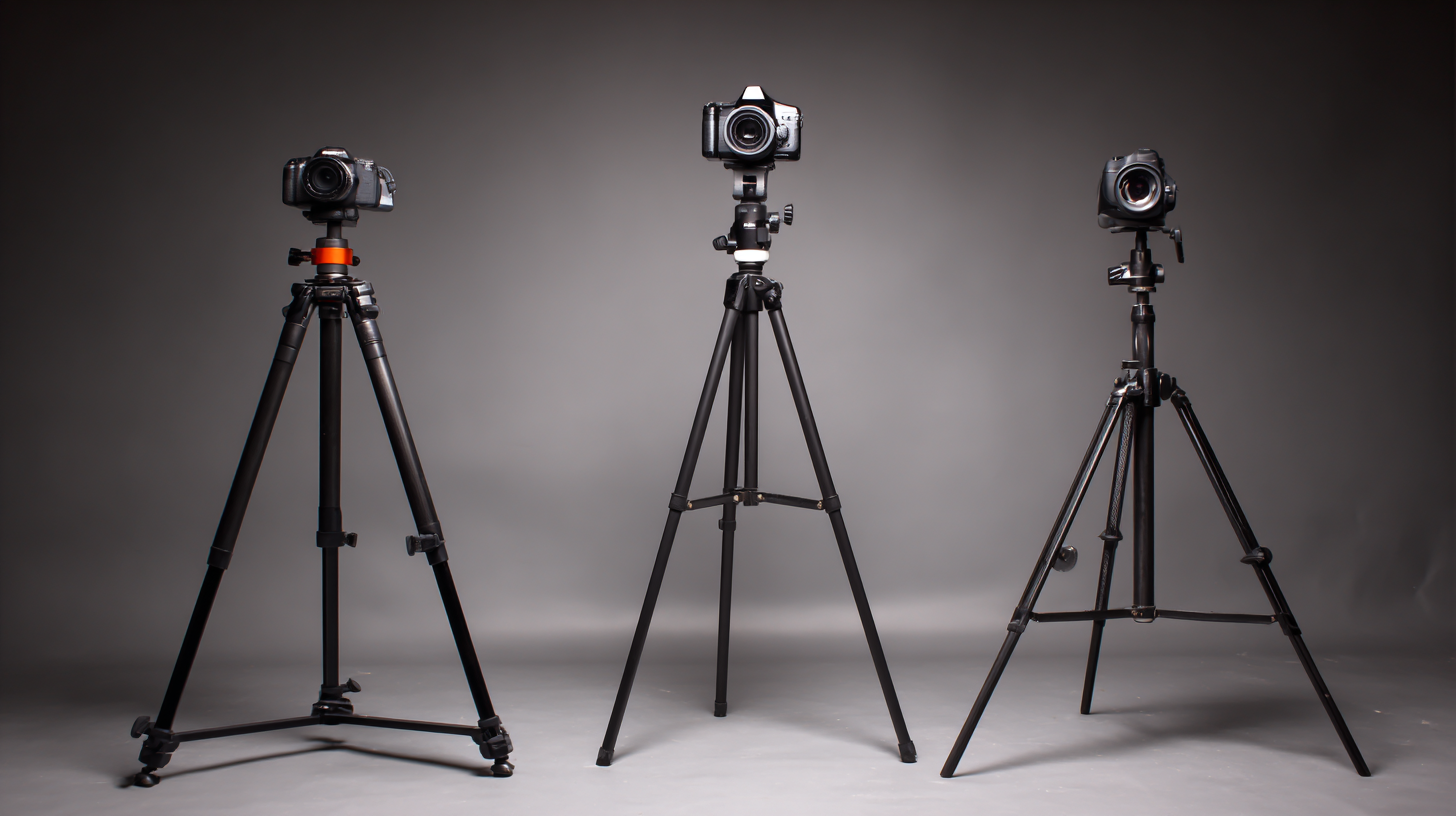
When you're diving into the world of overhead tripods, it's pretty important to get a good handle on the different types out there—so you pick the right one for your style of photography. These tripods aren’t all the same; they come in a bunch of designs and features, each suited for different kinds of shoots. You’ve got the simple, no-fuss models that keep things steady for basic projects, and then there are the more advanced setups made for those dynamic, action-packed shooting sessions. Picking the right one can really make a difference and totally up your photography game.
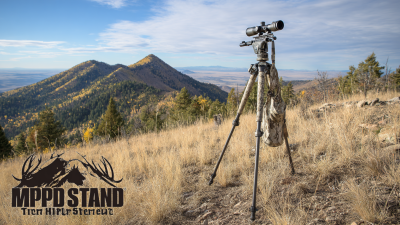
One popular option is the versatile articulating arm tripod. It’s great if you need to shoot overhead shots and want the freedom to move your camera around easily. Then, there’s the heavy-duty kind, perfect for studio work—that’s built tough to hold heavier gear without wobbling. And if you’re an outdoor shooter, lightweight and Portable Tripods are your best friends—they’re durable but won’t weigh you down. Knowing the differences like this helps you pick the gear that fits your situation perfectly, making your shoots more comfortable and, honestly, more fun. Plus, it just feels good knowing you’ve got the right tool for the job, right?
Evaluating Material Quality and Durability in Tripods
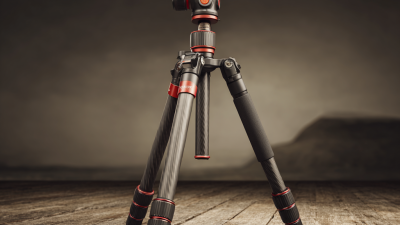
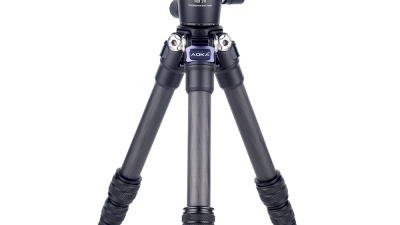
When you're trying to choose the best overhead tripod for your photography, it's really important to pay attention to the quality and durability of the materials. A good material doesn't just make your tripod more stable and reliable—it also helps it stand up to the tough conditions you might encounter on shoots. Usually, tripods are made from either aluminum or carbon fiber. Aluminum ones are pretty popular because they’re strong and won’t break the bank, but if you’re heading out on the road a lot, carbon fiber might be your best bet since it's lighter and absorbs shocks better. That way, you get a good mix of lightweight portability and toughness.
At AOKA, we totally get that photographers—whether you’re a pro or just really into shooting—have different needs. That’s why we put a lot of care into designing our tripods with top-notch materials. We’ve built a solid reputation in the photography world because of our focus on quality. Our tripods are made to last through all kinds of weather and still hold up your gear securely. Whether you’re snapping shots outside in the great outdoors or working in a studio, picking a tripod that’s built with quality materials really makes a difference in your experience and the quality of your photos.
Essential Accessories for Enhancing Your Overhead Tripod Setup
When you're looking to step up your overhead tripod game, investing in the right accessories is honestly the secret sauce to getting better results and making your life a whole lot easier. I read a 2022 report from the Imaging Resource Association that said a well-set-up tripod can boost stability by over 30%. That’s a game-changer, especially when you're shooting from high angles and need everything to stay super steady. Stuff like counterweights can really help cut down vibrations and keep your camera perfectly still—so you can focus on nailing your shot without worrying about shaky footage.
And don’t forget about a good tripod dolly! It’s awesome for moving smoothly over different kinds of terrain, which can seriously speed up your workflow. The Photographic Accessories Council even pointed out that using a dolly can bump up efficiency by around 25% during busy shoots. Plus, having a quality quick-release plate is a real lifesaver—to save time when you're switching between shots or adjusting gear. When you combine these accessories thoughtfully, your overhead tripod setup becomes a powerhouse that not only boosts your video and photo quality but also makes the whole process way more streamlined and enjoyable.
Comparing Price Ranges: Finding the Best Value for Your Needs
So, when you're trying to pick out the best overhead tripod, it really helps to get a sense of the different price ranges out there. Honestly, tripods can be pretty budget-friendly, like under 50 bucks, or super fancy and expensive — we're talking over $500. What usually drives that big price gap? Mainly the materials used, how well it’s built, and what features come with it. For example, if you’re just casually taking photos now and then, a lightweight aluminum tripod might do the trick. But if you're a pro or really serious about your shots, a carbon fiber model with top-notch stability and durability might be worth the splurge, even if it costs more.
The key is to figure out what features matter most to you. If you're just an enthusiast, a mid-range tripod around $100 might be all you need — a solid balance between cost and performance. But if you’re planning to use your tripod a lot, outdoors, in different settings, investing a bit more in a model with things like adjustable height, quick-release plates, and higher weight capacity could actually save you money later on by avoiding equipment mishaps. Bottom line? Shop around within your budget and look for the best options that’ll give you good bang for your buck.
Common Mistakes to Avoid When Buying an Overhead Tripod
When you're shopping for an overhead tripod, it’s really important to watch out for some common mistakes that might leave you feeling disappointed with your pick. One big thing people often overlook is the weight capacity. It’s easy to get caught up in the flashy features and forget to check whether the tripod can actually hold your camera and gear without wobbling or tipping over. So, don’t forget to peek at the manufacturer's specs — trust me, it’s worth making sure your new tripod can handle what you’re planning to mount on it.
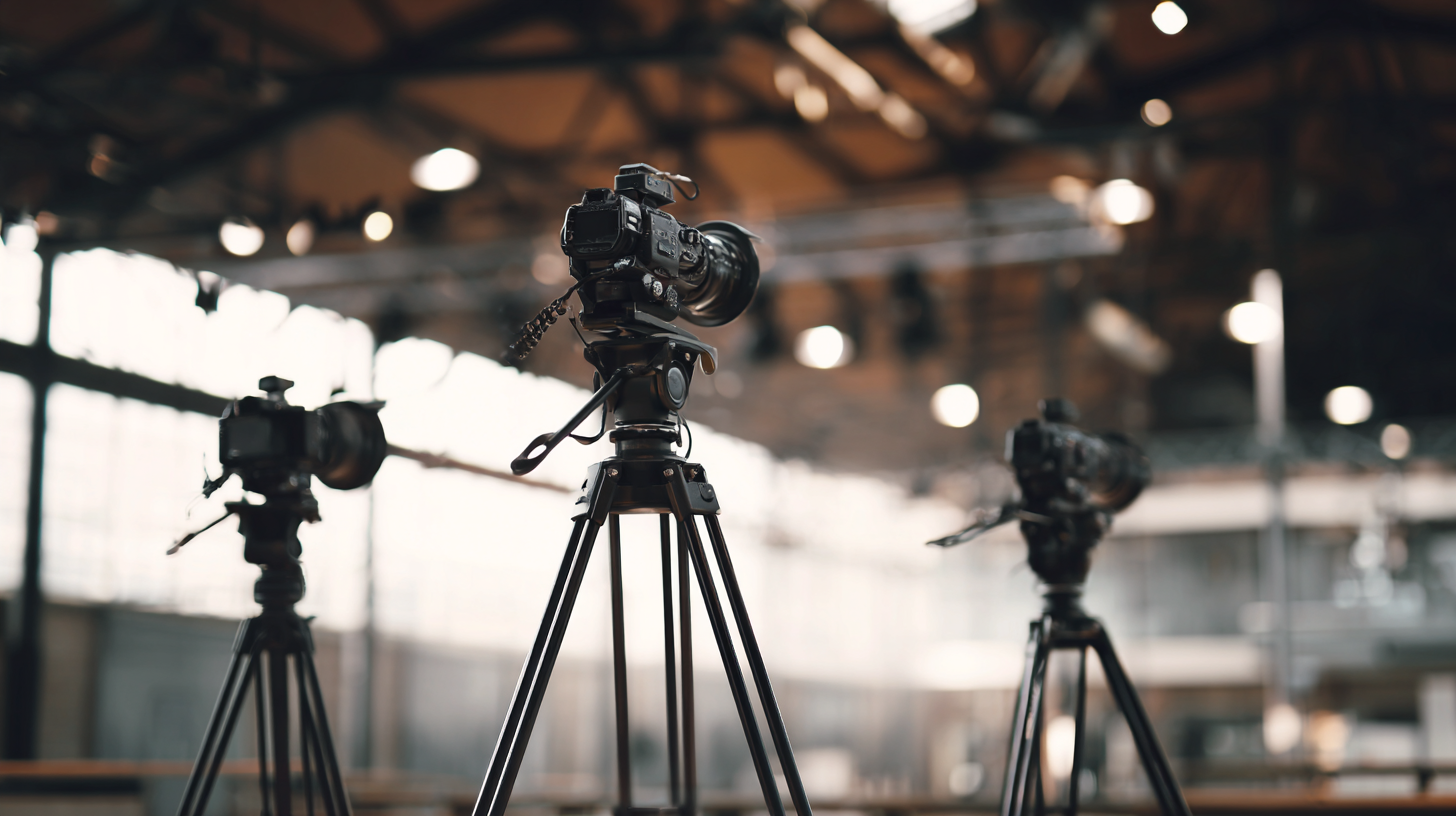
Another mistake I see all the time is focusing just on the material and build quality. Yeah, a lightweight tripod might seem super handy for travel or quick setups, but it usually means sacrificing sturdiness and durability. Going for the cheapest, flimsy options might save you some cash upfront, but it can lead to shaky shots or needing to replace it sooner rather than later. My advice? Invest in a solid, well-made tripod from good materials — it’ll give you stability, last longer, and make your shoots way smoother overall.
Maximize Your Travel Photography: The AOKA Lightweight Compact Carbon Fiber Mini Tripod Guide
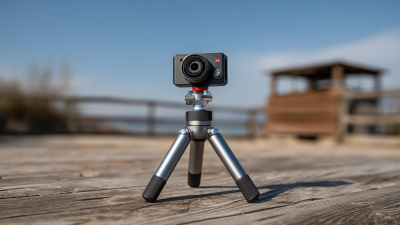
Travel photography captures the essence of our adventures, but achieving professional-looking images can often hinge on the equipment we use. The AOKA CMP163C+KB20 mini tabletop tripod stands out as an exceptional solution for photographers and content creators alike. This lightweight and compact carbon fiber tripod provides a stable platform for both cameras and smartphones, ensuring that every shot is both steady and responsive to the dynamic nature of travel.
According to a recent study conducted by the Photographic Research Organization, nearly 70% of photographers believe that using a tripod enhances the quality of their images, especially in challenging lighting conditions. The AOKA CMP163C+KB20 embodies this principle with its durable design and easy setup, making it a trusted companion for adventurers on the go. Weighing in at a mere fraction of traditional tripods, this mini tripod eliminates the burden of carrying heavy gear, allowing you to explore diverse landscapes and capture stunning footage effortlessly.
In addition, the flexibility that the AOKA mini tripod offers is crucial for creative photography. Its compact size allows for versatile positioning, letting you shoot from unique angles that bring an artistic edge to your travel photography. Surveys indicate that photos taken at unconventional angles receive 45% more engagement on social media platforms, showcasing the potential to enhance your visual storytelling. With the AOKA CMP163C+KB20, maximizing your travel photography has never been easier or more effective.
FAQS
: The types of overhead tripods include versatile articulating arm tripods for flexibility in overhead shots, heavy-duty tripods for studio use that offer stability under heavy equipment, and lightweight portable tripods designed for outdoor use.
To enhance your overhead tripod setup, consider investing in accessories such as counterweights to reduce vibrations, a tripod dolly for smooth mobility, and a quality quick-release plate to streamline shot transitions.
Counterweights are crucial as they can significantly reduce vibrations, ensuring steadiness and allowing photographers and videographers to concentrate on their creative vision without worrying about camera shake.
A tripod dolly allows for smooth mobility across different terrains, and data shows that using a dolly can increase workflow efficiency by up to 25% during production shoots.
Always verify the tripod's weight capacity as some models may not support the weight of your cameras or equipment. Refer to the manufacturer's specifications to ensure stability with your gear.
Material and build quality are important because lightweight options may lack durability and stability. Investing in a sturdy tripod made of high-quality materials ensures better performance and longevity.