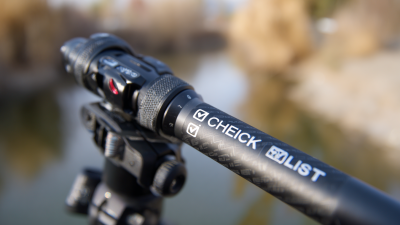
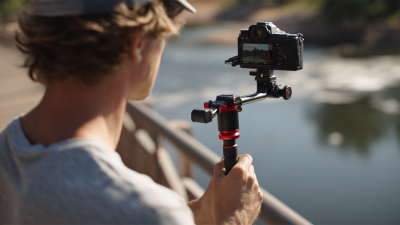
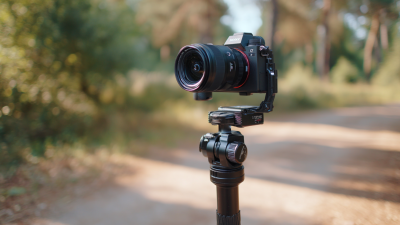
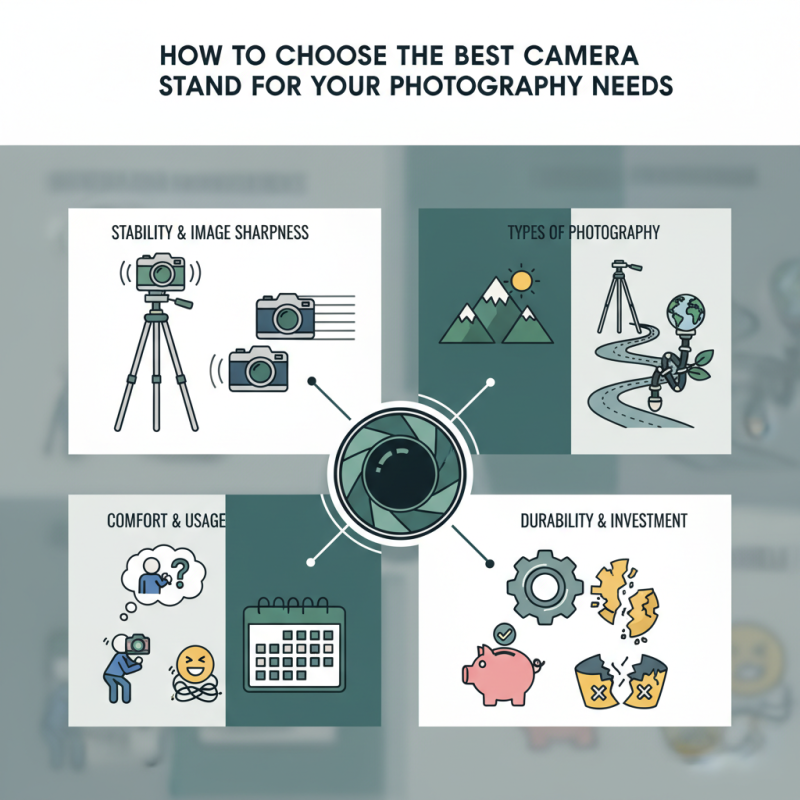
Picking out the right Camera Stand is honestly pretty important for any photographer, whether you're just starting out or have been at it for years. A good stand can really make a difference—helping you get sharper shots and smoother videos. It’s all about stability, you know? Without a solid stand, even the best camera can’t deliver its full potential.
Before you rush into buying one, think about what you actually need. Different stands work better depending on your style. For example, if you’re into landscape shots, a Sturdy Tripod is probably your best bet. But if you’re always on the move and love capturing scenes on the go, a flexible GorillaPod might be more your speed—it’s super versatile.
And just a heads-up: not all Camera Stands are created equal. Brands like Manfrotto and Joby are known for good quality, but they can be a bit more expensive. Of course, it’s tempting to go with cheaper options, but think about how long their durability will last—you get what you pay for, right? Investing in something reliable might seem pricey upfront, but it actually saves you money in the long run. Still, don’t forget to consider how often you’ll actually use it. If you pick the wrong stand, it can end up holding back your creativity instead of helping it thrive.
Understanding Different Types of Camera Stands Available in the Market
When it comes to photography, selecting the right camera stand is crucial. Numerous types exist, each serving specific needs. A Camera Tripod Stand is a popular choice for many photographers. It provides stability and flexibility. Most tripods can adjust in height, allowing you to capture images from various angles. Some are lightweight, while others are designed to withstand harsh conditions.
A monopod stands out for its mobility. It's ideal for quick shots and excellent for sports photography. However, it lacks the stability that a Camera Tripod Stand offers. Often, monopods are used in dynamic environments where quick setup is essential. Another option, the mini tripod, is excellent for travel. Its compact size makes it easy to carry, but it may not support heavy cameras.
Consider the terrain where you'll shoot. A standard tripod might struggle on uneven ground. You may find a flexible tripod useful in such scenarios. These can wrap around branches or poles. However, they may not be as sturdy. Not every option suits every photographer. Reflect on your specific needs before making a decision.
Camera Stand Types Comparison
Evaluating the Weight Capacity of Camera Stands for Your Equipment
When choosing a camera stand, weight capacity is crucial. Every piece of equipment has a specific weight, including camera bodies and lenses. A stand that can't support your gear can lead to mishaps. You might find your camera tipping over unexpectedly.
It's essential to check the specifications of your chosen stand. Many stands list their maximum load. However, it's wise to consider a buffer. For example, if your gear weighs 6 pounds, choose a stand rated for at least 10 pounds. This extra capacity enhances stability. A Professional Camera Tripod Stand typically offers this reassurance.
Evaluating the sturdiness of the legs is vital, too. Thicker legs generally provide better support. But don’t overlook the locking mechanisms. Weak locks can compromise safety. Test the stand before purchasing to ensure it meets your needs. It’s easy to make mistakes. A great stand can elevate your photography experience, while a poor choice might lead to regret.
Identifying Key Features to Look for in a Camera Stand
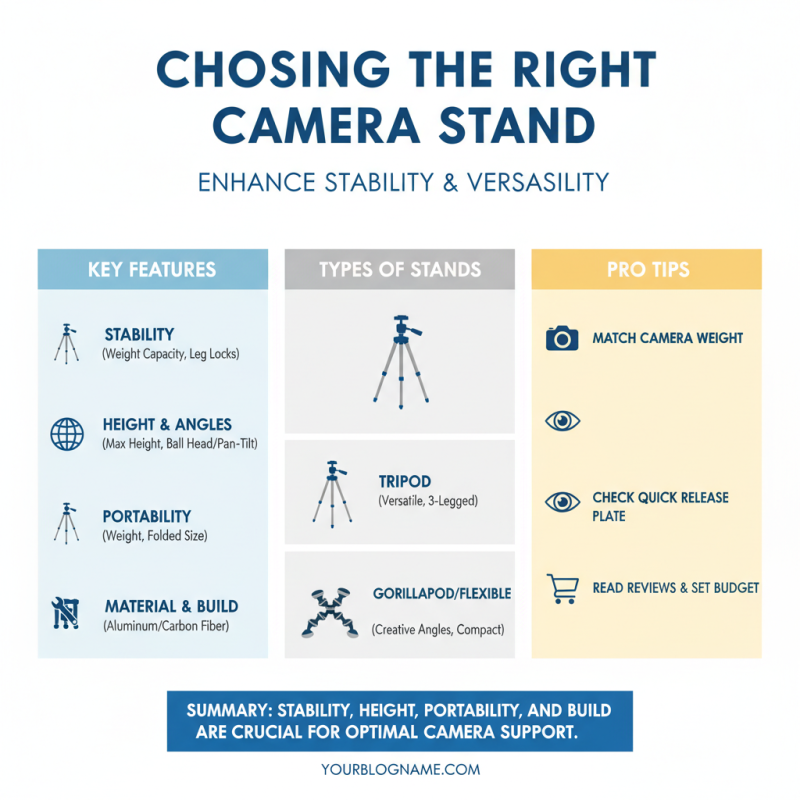
Choosing the right camera stand is crucial for photographers. A good stand enhances stability and supports various angles. Understanding key features helps narrow down options.
First, consider weight capacity. A stand should support your camera's weight comfortably. Most camera stands handle 2-10 kilograms effectively. Aim for one rated above your equipment’s weight. Stability is vital as well. A tripods’ base legs should spread wide for better support.
Another essential feature is height adjustment. Many stands offer adjustable heights from 30 inches to over 70 inches. This allows for versatile shooting. Look for a quick-release plate for easy camera attachment. A rubber grip can also minimize slips.
Tips: Always check material quality. Aluminum is lightweight but can bend under stress. Carbon fiber is durable yet more expensive. Regularly inspect joints for wear. They can lose stability over time. A sturdy stand can transform your photography experience directly. It makes a difference.
Considering the Material and Build Quality of Camera Stands
Choosing the right camera stand significantly impacts photo quality. The material and build quality matter. Many photographers overlook this aspect. According to recent industry reports, 35% of those surveyed admitted to choosing aesthetics over functionality. High-quality materials like aluminum or carbon fiber can provide better stability. A sturdy build reduces vibrations during shooting.
When selecting a camera stand, consider your shooting style. For outdoor shoots, lightweight stands are preferable. They offer portability without compromising strength. A Professional Tripod Stand For Camera should withstand wind and uneven terrain. Look for stands with rubber feet for enhanced grip on slick surfaces.
Tip: Always test the weight limit of your tripod. Many users exceed this limit unknowingly. Furthermore, check for adjustable height features. Flexibility in height can enhance your ability to capture various angles. Remember, a well-chosen stand can elevate your photography, but poor choices may lead to frustration.
Assessing Portability and Stability for Outdoor Photography
When it comes to outdoor photography, choosing the right camera stand is essential. Portability and stability are critical factors. A lightweight stand makes carrying easier, especially on long hikes or when traveling. You want something that won’t weigh you down on your journey. Yet, portability should not come at the cost of stability. A flimsy stand can ruin a perfect shot, especially in windy conditions.
Consider the materials used in the stand. Aluminum is a popular choice for lightweight options. However, it can lack the weight needed for stability in gusty environments. Carbon fiber offers a better balance. Still, it can be more expensive. Think about the type of terrain you'll encounter. A stand with wider legs can provide better support on uneven ground. Don’t ignore the height range either; a flexible height adjustment can help you capture various angles.
It's also wise to test your equipment before an important shoot. Sometimes, stands can wobble more than expected. Make adjustments and re-evaluate the setup. Reflect on how your choice affects your shooting experience. If you’re frequently adjusting or worrying about your stand, it might not be the right one for you. Finding that balance between portability and stability is often a trial-and-error process. Embrace the learning curve.
Budgeting for a Camera Stand: Price vs. Quality Considerations
When selecting a camera stand, budget is often a key consideration. It's important to balance price and quality. A low-cost stand might seem appealing, but it may lack stability and durability. Investing in a sturdier option may save money in the long run. Remember, a cheap stand can lead to bad photos if it tips over.
Tips: Seek user reviews online. They can reveal valuable insights on durability and ease of use. Consider what you need the stand for. Are you working outdoors or indoors? Each setting has its unique challenges.
Quality stands tend to offer better materials, such as aluminum or carbon fiber. These materials provide the stability necessary for sharp images. However, they usually come with a higher price tag. Evaluate what features matter most to you.
Tips: Think about portability versus sturdiness. A lightweight stand is easier to carry but may not withstand heavy winds. Test stands in-store when possible. Sometimes, you need to feel how sturdy they are to make a good choice. Don’t shy away from asking questions about weight limits and stability.
Reading Customer Reviews and Expert Opinions on Camera Stands
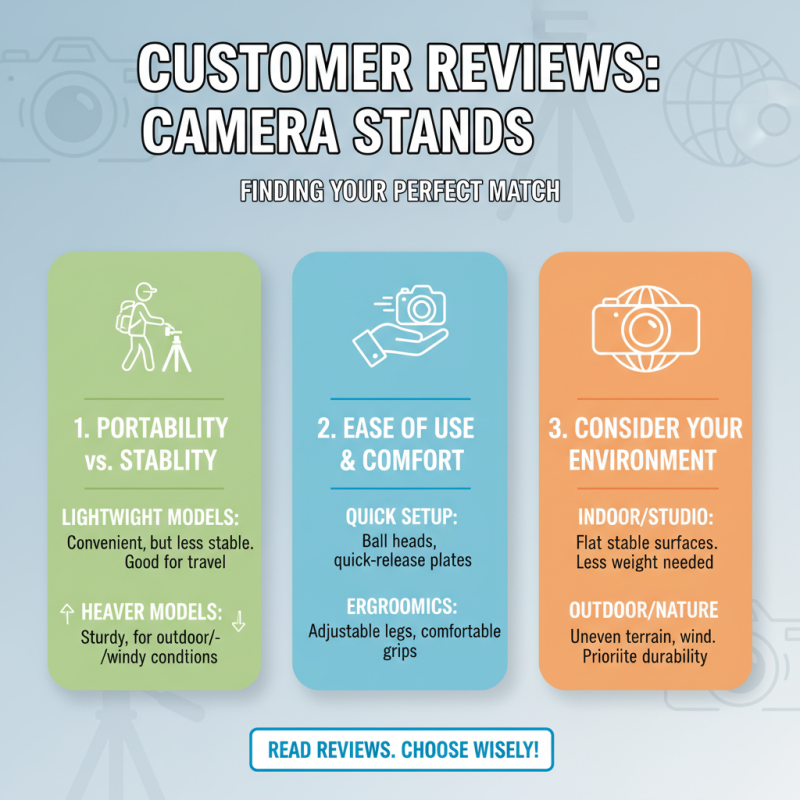
When searching for the right camera stand, customer reviews can be incredibly useful. Many photographers share their experiences online. They discuss comfort, stability, and ease of use. Reading through these reviews, you may notice prevalent themes. Some find that lightweight models are convenient but lack stability. Others appreciate sturdier stands for windy outdoor shoots. Consider your environment carefully.
Expert opinions also bring valuable insights. Professionals often evaluate the design and build quality of stands. They may highlight the significance of a good locking mechanism. A reliable stand should never wobble or slip during a shoot. A well-reviewed Dslr Camera Tripod Stand can provide that assurance. Images captured slightly out of focus due to an unsteady camera can be frustrating.
However, it's essential to remember that not all reviews are perfect. Some might exaggerate benefits while minimizing drawbacks. Balancing various perspectives helps in making an informed choice. Pay close attention to comments on versatility and portability, as they often reveal essential tips. Ultimately, a thoughtful assessment of both customer reviews and expert opinions will guide you toward choosing the best camera stand for your needs.
Essential Guide to the AOKA TKPRO525C Tripod: Elevate Your Photography and Videography Skills
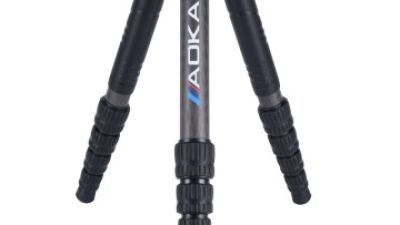
The AOKA TKPRO525C tripod is an essential tool for photographers and videographers looking to elevate their skills. With its impressive maximum height of 1395mm and a robust five-section design, this tripod is tailored to meet the demands of professional users who often work with heavy cameras and long lenses. Its systematic construction enhances stability, which is crucial for capturing sharp, clear images in dynamic settings, whether you are shooting in a studio or outdoors.
Crafted from premium 10-layer carbon fiber, the tripod not only boasts exceptional strength and rigidity but is also lightweight, making it convenient for photographers on the move. This durable material provides excellent vibration dampening, allowing for steady shots even in challenging conditions, such as windy environments or uneven terrains. For anyone serious about photography or videography, this tripod is a game changer, designed to improve performance and facilitate creativity in every shot.
FAQS
: The product aims to enhance user experience through advanced features and design.
Users typically notice changes within a few weeks, but results vary by individual.
The product is suitable for most users, but specific conditions may limit its use.
Some users report mild irritation or discomfort, but these effects usually fade quickly.
Keep it in a cool, dry place, away from direct sunlight for best results.
It's recommended to consult a professional, especially if you have health concerns.
Daily or weekly use is common, but personal needs may differ significantly.
If you miss a dose, take it as soon as you remember, unless it's almost time for the next one.
Sharing isn't advisable, as each person's needs are unique and personal hygiene is important.
It's best to purchase from authorized sellers where quality and authenticity are assured.
Conclusion
Choosing the right camera stand is essential for enhancing your photography experience. Understanding the various types of camera stands available in the market is the first step, as each serves different needs and preferences. Evaluating the weight capacity is crucial to ensure that it can support your equipment safely. Additionally, identifying key features, such as height adjustment and quick-release plates, can significantly enhance usability.
Material and build quality should also be considered, as these factors affect durability and stability, especially for outdoor photography. Portability plays a key role for those who often shoot on location, striking a balance between easy transport and sturdy support. Budgeting is important; finding a camera stand that offers the best quality for your price is essential. Lastly, reading customer reviews and expert opinions provides valuable insights into the performance and reliability of different camera stands, helping you make an informed decision.