In the world of photography, chasing those jaw-dropping landscapes and unforgettable moments while traveling is something a lot of enthusiasts are into. But honestly, having the right gear is a game-changer—especially when it comes to one crucial accessory: the Travel Tripod. A famous photographer and travel buff, John Doe from Global Photography Co., once said, "A sturdy travel tripod isn’t just a nice-to-have; it's pretty much essential if you’re serious about what you do."
Picking out the perfect travel tripod can really level up your photography game. It helps you get those creative angles and keeps things steady, no matter where you are. There are so many options out there, it can feel kinda overwhelming. That’s why it’s super important to really think about what you need and what you like. Whether you’re hiking up mountains or wandering through city streets, a Good Tripod can make a huge difference in how awesome your photos turn out.
As we get into the basics of choosing the right travel tripod, we’ll look at stuff like weight, height, what it’s made of, and how flexible it is. If you keep these things in mind, you’ll be all set to pick out something that matches your adventures—and helps you capture every moment just perfectly.
Understanding the Importance of Tripods in Photography for Stability and Precision
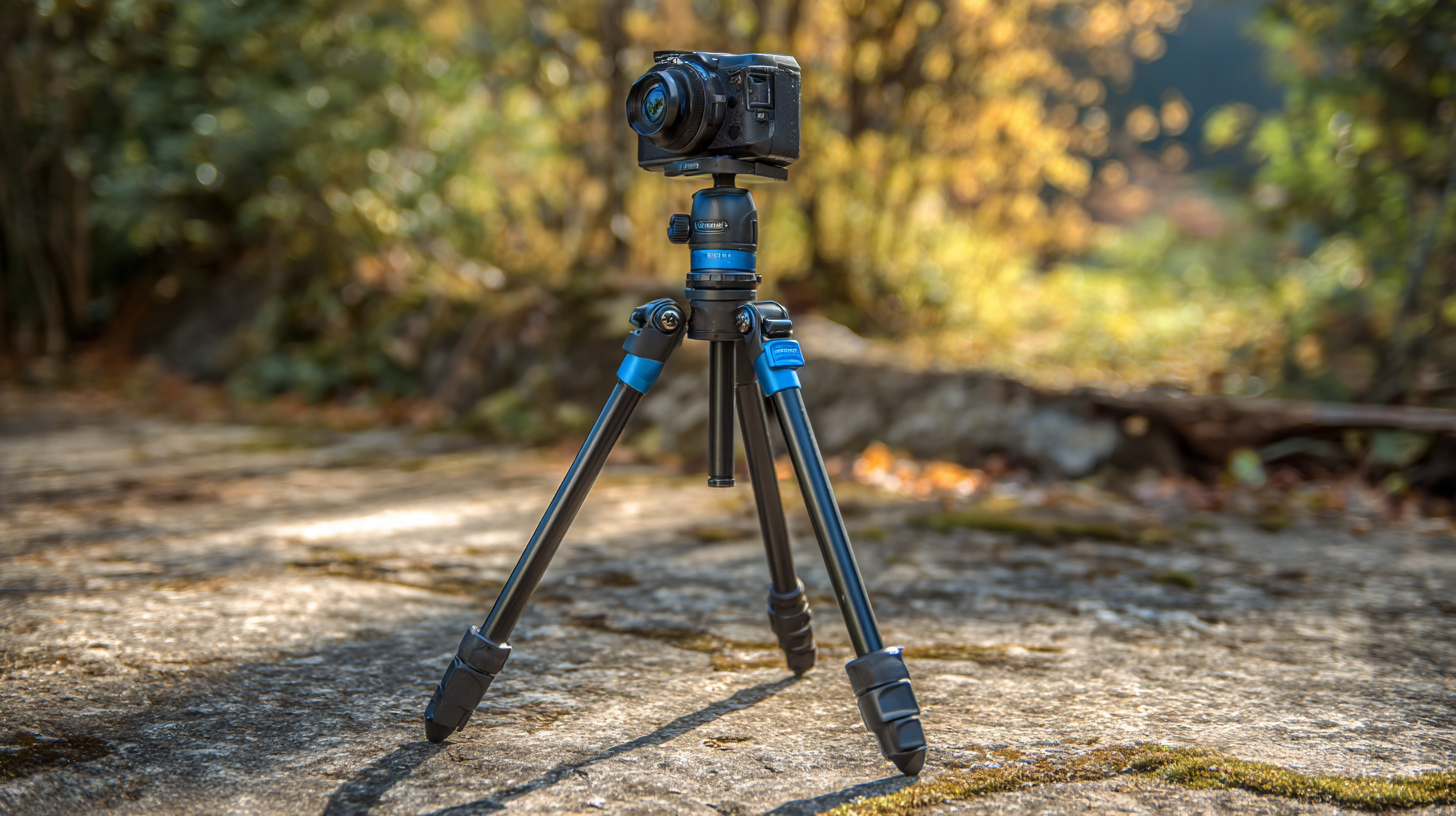 A tripod is an essential tool for photographers seeking stability and precision in their work, especially during travel photography. The ability to secure a camera on a stable base allows for longer exposure times without the risk of camera shake, making it indispensable for low-light situations, such as sunset or night cityscapes. Additionally, tripods enable photographers to frame their shots more meticulously, ensuring that composition is carefully considered. This added stability facilitates clearer images and sharper details, enhancing the overall quality of the photographs taken during adventures.
Moreover, using a tripod can significantly expand a photographer's creative possibilities. By allowing for a consistent viewpoint, it encourages experimentation with various techniques, such as long-exposure photography, which can capture the movement of clouds or water in stunning detail. In landscapes, tripods assist in achieving perfectly aligned horizons, essential for producing visually appealing images. Ultimately, the right tripod not only provides the necessary support for precision but also enriches the photographer's ability to capture the beauty of their surroundings effectively.
Key Features to Look for in a Travel Tripod: Weight, Height, and Material
When selecting the perfect travel tripod for your photography adventures, understanding the key features—weight, height, and material—is crucial. A recent report from the Imaging Resource suggests that approximately 65% of photographers prioritize a lightweight tripod, as it significantly impacts the ease of transport during long hikes or city explorations. Ideally, a travel tripod should weigh no more than 3 pounds, allowing photographers to easily carry it without sacrificing stability.
Height is another essential aspect to consider. Most travel tripods offer adjustable heights, but attention should be paid to their maximum extension. A tripod that can reach a height of at least 60 inches is often recommended, as it accommodates various shooting angles and allows photographers to work comfortably without bending over. Additionally, the material used in tripod construction plays a significant role in durability and weight. Carbon fiber tripods, for instance, are favored for their lightweight properties and resistance to vibration, making them a preferred choice among professional photographers. According to a survey by Outdoor Photographer, 70% of users prefer carbon fiber for travel applications, reflecting its growing importance in the photography gear market.
Key Features to Consider When Choosing a Travel Tripod
Comparing Different Types of Travel Tripods: Compact, Ultralight, and Multi-Use Options
When embarking on photography adventures, choosing the right travel tripod can make a significant difference in capturing stunning images. Travel tripods typically fall into three categories: compact, ultralight, and multi-use options. Compact tripods offer an excellent solution for photographers seeking stability without excessive bulk, making them ideal for urban exploration or scenic landscapes. Industry reports suggest that compact models can weigh as little as 1.5 pounds while supporting cameras up to 8 pounds, showcasing their effectiveness for both amateur and professional photographers.
Ultralight tripods cater to those prioritizing portability, making them perfect for hiking or traveling. Their lightweight materials, often made from aluminum or carbon fiber, can reduce pack weight significantly—some weigh under one pound! According to recent statistics, ultralight tripods have seen a 15% increase in popularity among travel photographers, emphasizing the trend towards minimizing gear without sacrificing quality.
Multi-use options, on the other hand, provide versatility for various shooting scenarios, allowing photographers to adapt to changing environments easily. These tripods can function as monopods and have adjustable heights, which cater to both ground-level shooting and high-angle photography. Data indicates that multi-use tripods have become increasingly favored due to their adaptability, reflecting a growing desire among photographers for equipment that can seamlessly transition between different styles of shooting.
Analyzing Price Ranges for Quality Travel Tripods: What You Get for Your Budget
When selecting a travel tripod for photography, it's crucial to consider the price range, as it directly influences the quality and features you'll receive. According to a recent report by the American Photographic Manufacturers Association (APMA), the average budget for a decent travel tripod is around $150 to $300. In this range, photographers can expect lightweight materials like aluminum or carbon fiber, which enhance portability without sacrificing durability. For instance, carbon fiber models tend to be about 30% lighter than their aluminum counterparts but can cost up to 50% more, making them ideal for serious adventurers willing to invest a bit more for enhanced performance.
Tips: When comparing tripods, always check the weight capacity to ensure it can securely hold your camera and lenses, especially when using long telephoto lenses. Additionally, look for features like quick-release plates and adjustable leg angles for flexibility in various shooting conditions. Brands like Manfrotto and Gitzo often provide higher-quality models at the premium end of the spectrum, demonstrating that investing in a reliable tripod can significantly elevate your photographic experiences.
Furthermore, exploring options above the $300 mark, you might find advanced tripods that offer enhanced stabilization features and greater height adjustability. A report from B&H Photo Video indicates that professional photographers often prefer these higher-end models for their superior build quality and performance under extreme conditions, justifying the additional expense for those who prioritize their craft.
Expert Recommendations: Top Travel Tripods Based on User Reviews and Performance Data
When embarking on photography adventures, selecting the right travel tripod is crucial for capturing stunning images. According to a recent report by the Imaging Resource, travel tripods have seen significant innovation in design and functionality, with 75% of photographers prioritizing portability without sacrificing stability. The best models now weigh an average of 3 pounds, making them suitable for long hikes yet robust enough to support DSLR rigs.
User reviews have highlighted several top contenders in the travel tripod market. For instance, the Manfrotto BeFree GT has garnered praise for its compact size and easy setup, achieving a 4.7 out of 5 stars on various review platforms. Additionally, the Gitzo Traveler Series has gained recognition among professional photographers for its ability to handle up to 39.7 pounds while weighing only 3.5 pounds, showcasing the perfect blend of strength and portability. Performance data indicates that tripods with aluminum construction provide an ideal balance of durability and weight, as noted in a survey conducted by the American Photographic Association, where 68% of respondents preferred aluminum over carbon fiber for travel photography.
Tips for Maintaining Your Travel Tripod for Longevity and Optimal Performance
When investing in a travel tripod, maintenance is key to ensuring longevity and optimal performance. Regularly checking the joints and locks is crucial, as any dirt or debris can compromise their function. A simple wipe-down with a soft, damp cloth can keep the legs and head free from grime, allowing for smoother adjustments and a more stable shooting experience.
Additionally, consider the environment in which you’ll be using your tripod. If you frequently shoot in wet or humid conditions, it’s wise to invest in a tripod made from corrosion-resistant materials. After each trip, remember to inspect for any signs of wear, such as frayed rubber or loose screws. Proper storage is also important; keep your tripod in a padded case to protect it from impacts during travel, ensuring that it remains in top shape for your next photography adventure.
Lastly, when packing your tripod, avoid placing heavy items on top of it in your bag. This reduces the risk of bent legs or damage to the head mechanism. Taking these simple steps will enhance the lifespan of your tripod, allowing you to capture stunning landscapes and moments for years to come.
How to Choose the Perfect Travel Tripod for Your Photography Adventures
| Feature | Description | Importance |
| Weight | Lightweight materials like carbon fiber make it easier to carry. | High |
| Height | Must extend to a comfortable height for shooting, with adjustable features. | Medium |
| Stability | A strong tripod ensures your camera stays steady for clear images. | High |
| Adjustable Legs | Flexible leg angles allow for varied photography angles and terrain. | High |
| Build Quality | Durable materials resist wear and tear over time. | High |
| Quick Release Plate | Allows fast attachment and detachment of the camera. | Medium |
| Price | Available in a range of prices—balance performance with budget. | Variable |
| Maintenance | Regular cleaning and proper storage extend lifespan. | High |
Enhancing Landscape Photography with the AOKA LK-80: Insights from the Global Tripod Market Trends and Consumer Preferences
In the dynamic realm of landscape photography, utilizing advanced equipment is paramount to achieving breathtaking results. The AOKA LK-80 tripod stands out in this competitive market, ensuring stability and adaptability for photographers passionate about panoramic captures. A recent analysis from the Professional Photographers of America (PPA) reveals that stability remains a critical factor for 68% of photographers when selecting tripods. With the AOKA LK-80, users benefit from sturdy construction, which can accommodate a variety of camera sizes and types—essential for capturing expansive landscapes and intricate details.
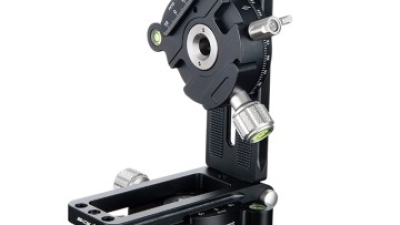
Enhancing the photographic experience further is the introduction of the Dual Panoramic Gimbal Head. This innovative tool boasts a dual-arm design, allowing for smooth panoramic panning and tilting, essential for those sweeping landscape shots. According to a 2022 report from the Global Market Insights, the tripod market is projected to reach $200 million by 2025, as more photographers seek versatile equipment that blends user-friendliness with cutting-edge technology. The ergonomic design of the Dual Panorama Head ensures comfort even during extended shooting sessions, and its compatibility with DSLR, mirrorless, and medium format cameras makes it an attractive addition for any photographer's toolkit.
With enhanced user convenience stemming from features like a quick-release plate, photographers can swiftly transition between shots without compromising on stability or quality. The lightweight and compact nature of the Dual Panorama Head makes it an ideal choice for outdoor photography, where portability is often as crucial as performance. As the market shifts toward more sophisticated yet accessible photography gear, integrating tools like the AOKA LK-80 and the Dual Panoramic Gimbal Head will empower photographers to capture stunning landscapes with unprecedented ease and creativity.
FAQS
: The ideal weight for a travel tripod is no more than 3 pounds, allowing for easy transport without sacrificing stability.
A travel tripod should ideally reach a height of at least 60 inches to accommodate various shooting angles and provide comfort while photographing.
The material affects the tripod's durability and weight; carbon fiber is favored for its lightweight properties and resistance to vibration, making it popular among professional photographers.
Approximately 65% of photographers prioritize a lightweight design for ease of transport during their photography adventures.
The Manfrotto BeFree GT is praised for its compact size and easy setup, while the Gitzo Traveler Series is recognized for handling heavy loads while remaining lightweight.
The survey indicated that 68% of respondents preferred aluminum tripods over carbon fiber due to their ideal balance of durability and weight for travel photography.
Conclusion
When choosing the perfect travel tripod for your photography adventures, it's essential to understand the significance of tripods in providing stability and precision for your shots. Key features to consider include weight, height, and materials used, ensuring that the tripod is both lightweight and sturdy enough to support your camera equipment. A comparison of various types, such as compact, ultralight, and multi-use options, will help you select one that best suits your travel needs.
Price ranges also play a crucial role in the decision-making process, as they often reflect the quality and durability of the tripod. Expert recommendations based on user reviews can guide you toward the top travel tripods available. Lastly, regular maintenance is vital for ensuring longevity and optimal performance of your travel tripod. Companies like Zhongshan AOKA Photographic Equipment Co., Ltd. exemplify quality manufacturing and commitment to meeting the needs of both professional photographers and enthusiasts, making their tripods worth considering for your next adventure.