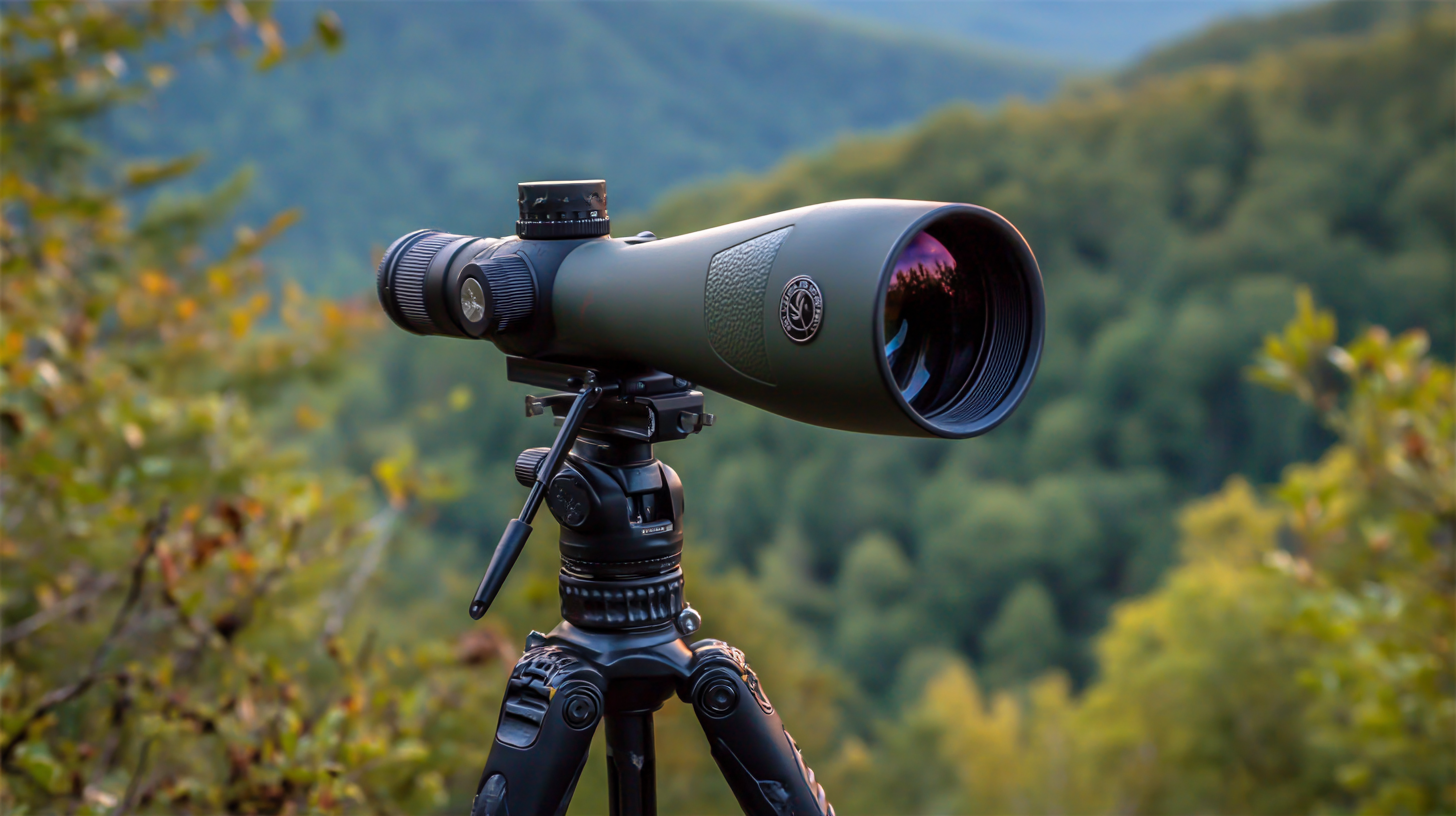
Picking out the right spotting scope tripod can truly make a big difference in your outdoor adventures. Whether you're into bird watching, stargazing, or just trying to capture those breathtaking landscapes, having a Good Tripod matters. Did you know that the market for optical gear is expected to hit around $85.3 billion by 2026? Yeah, so there's definitely a growing demand for high-quality accessories like tripods. At Zhongshan AOKA Photographic Equipment Co., Ltd., we get how important stability and versatility are when you're out shooting in the wild. That’s why our tripods are built using cutting-edge tech and tough, durable materials — perfect for both pros and hobbyists alike. As one of the leading names in photographic equipment, Zhongshan AOKA is all about providing products that help you make the most of your time outdoors. When choosing a spotting scope tripod, it’s worth thinking about things like weight, height, and what it’s made of — since these little details can really impact how successful you are at catching those elusive moments.
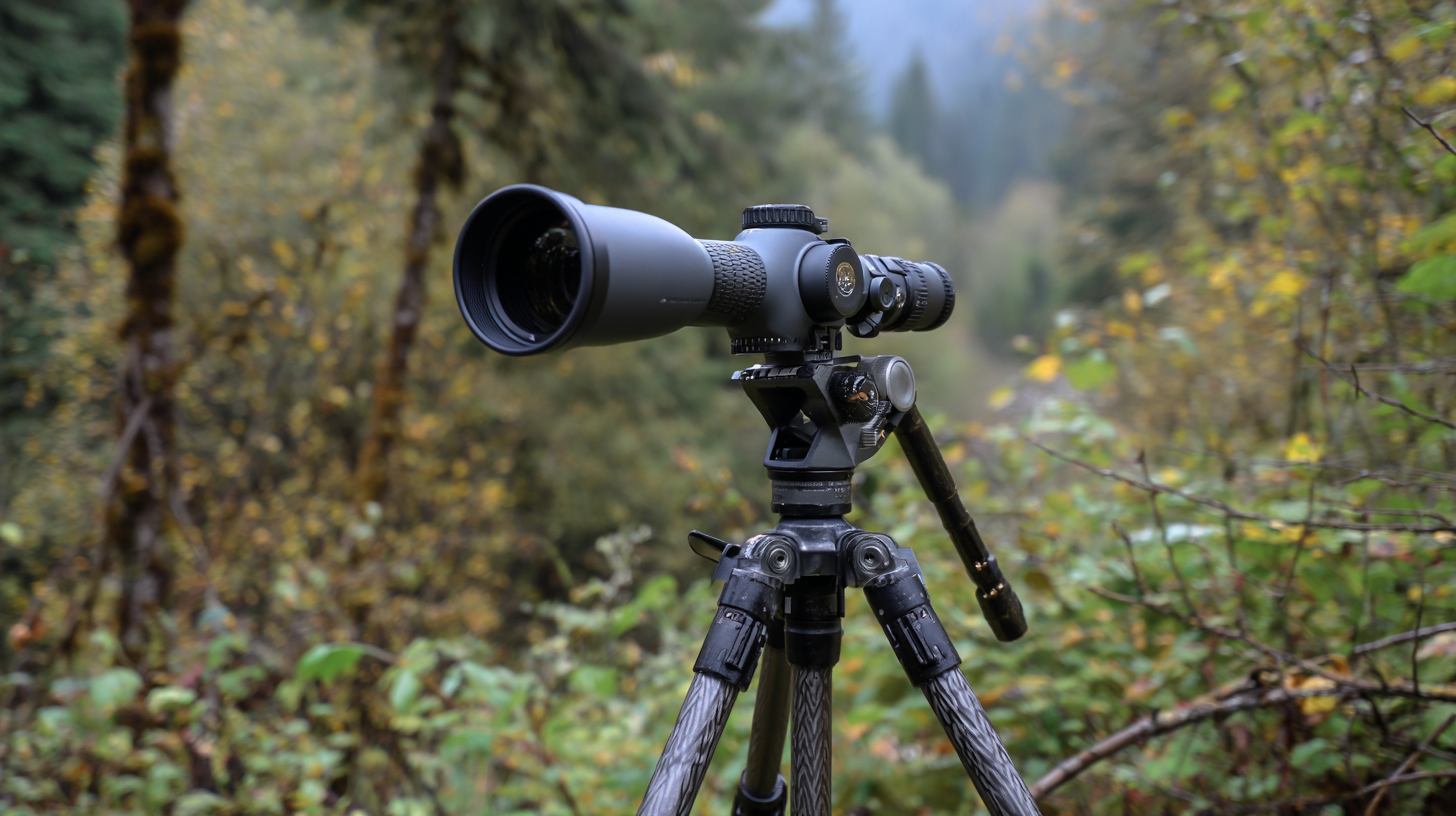
Understand the Importance of a Stable Tripod for Spotting Scopes
When you’re out in the wild with your spotting scope, having a Stable Tripod really makes all the difference. Trust me, a solid tripod not only cuts down on that annoying shake and vibrations but also helps you see those tiny details — whether it’s distant wildlife or sweeping landscapes. Without a good stand, even the coolest scope can feel kinda awkward and frustrating, especially when you’re trying to get a clear view.
A few tips on picking the right tripod:
- Material Counts: Go for lightweight stuff like aluminum or those fancy carbon fiber options if you’re planning to hike to your spot. Makes it way easier to carry around.
- Weight Support: Double-check that it can handle the weight of your scope and any extra gear like eyepieces or adapters — nobody wants their tripod to collapse mid-spotting.
- Adjustability: Make sure the legs can be adjusted to different heights so you can find that perfect, comfy viewing position, even if you’re out there for hours.
Getting a good tripod is honestly worth the investment. It seriously ups your game in the field and makes the whole experience much more enjoyable — you get to really soak in the beauty of nature with less hassle.
Key Features to Look for When Selecting a Spotting Scope Tripod
When you're on the hunt for the perfect spotting scope tripod for your outdoor adventures, there are a few key features you probably want to keep in mind. First off, the material of the tripod really makes a difference. Things like aluminum strike a good balance—they’re sturdy enough without being too heavy. But if you're planning on long hikes or just want something super lightweight, then carbon fiber might be the way to go because it's super portable. Also, pay attention to the maximum and minimum heights of the tripod. Flexibility is key—you’ll want something that can be adjusted easily to get those perfect angles, no matter the terrain.
Another thing to consider is the type of tripod head. A fluid head tends to be a favorite for spotting scopes since it lets you smoothly pan and tilt, which is really helpful if you’re trying to follow moving subjects. Don’t forget to check the weight capacity, making sure it can handle your scope without wobbling or feeling unstable. And look out for features like quick-release plates, adjustable leg locks, and rubber feet—they might seem small, but they really make a difference, especially on uneven ground. Basically, these little details add up and can turn your outdoor spotting experience from good to great.
How to Choose the Best Spotting Scope Tripod for Your Outdoor Adventures - Key Features to Look for When Selecting a Spotting Scope Tripod
| Feature | Importance | Recommended Specifications |
| Weight | Should be lightweight for easy transport | Under 5 lbs |
| Material | Durable materials for outdoor use | Aluminum or Carbon Fiber |
| Height Adjustment | Versatile viewing angles | Adjustable from 20 to 65 inches |
| Stability | Minimizes vibrations for clear viewing | Three legs with rubber feet |
| Head Type | Ease of adjusting the spotting scope | Pan and Tilt Head |
| Portability | Convenient for hiking or traveling | Foldable design |
| Quick Release Plate | Allows easy mounting/dismounting of scope | Yes |
Comparing Different Tripod Materials: Which Is Best for You?
When you're trying to pick out a tripod for your spotting scope, one thing to keep in mind is what material it's made of—that really affects how it performs and how long it'll last. Usually, you'll see tripods made from aluminum, carbon fiber, or plastic—all of which have their own pros and cons.
Aluminum tripods are often more budget-friendly and tend to be pretty stable. The downside? They're kind of heavy, which can be a pain if you're planning on long hikes or lots of trekking. On the flip side, carbon fiber tripods are a bit more expensive, but they’re super stable and way lighter—perfect if you want something portable for outdoor adventures. Then there are plastic tripods. They’re generally not as sturdy and might struggle with tough conditions, but they’re a lightweight, cheap option if you’re just into casual birdwatching or don’t wanna spend too much.
Heads up: When you're choosing a tripod, think about how much weight you're okay carrying versus how steady you need it to be. If you’re trekking for hours, go for lighter stuff like carbon fiber. If your setup is just gonna stay still most of the time, aluminum might do the job. Just don’t forget to check how much weight the tripod can handle—no point in a fancy tripod that can’t really support your scope, right?
Evaluating Height Adjustability and Portability for Outdoor Use
When you're out in the wild looking for a good spotting scope tripod, one of the must-have features is definitely adjustable height. It’s super helpful because it lets you tweak the viewing angle to match whatever terrain you're on. Whether you're sitting up on a hill or just trying to get a clear look over flat ground, being able to raise or lower the tripod makes everything way more comfortable and steady. Plus, adjustable tripods are great because they can suit different people too—so everyone in the group can find a height that works for them and get the best view possible.
And let’s not forget about portability. If you’re into outdoor adventures, you probably know how important it is to keep things lightweight and compact. A bulky tripod can be a real pain to carry around, especially if you're hiking for miles. Look for something that can collapse down small enough to slide into your backpack without a hassle. Features like quick-release locks or sturdy carrying cases are definitely a plus—they make setup easier and make sure your gear stays protected and easy to carry. Having a lightweight, portable tripod just makes it way easier to take your spotting scope anywhere, and honestly, it encourages those spontaneous adventures—you know, when inspiration hits and you just want to go explore right then and there.
Comparison of Tripod Features for Spotting Scopes
Tips for Compatibility: Ensuring Your Tripod Matches Your Spotting Scope
Picking out the right tripod for your spotting scope really makes a difference when you're out in the field—whether you're hunting, doing PRS, or NRL shoots. First off, you gotta make sure the tripod and scope are compatible. It’s super important that your tripod can handle the weight and size of your scope; otherwise, you might end up with stability issues when you're trying to get that perfect shot. Look for features like adjustable legs and a multi-angle head—it really helps when you're trying to aim at targets at different heights and distances, making your setup way more versatile.
Also, think about what the tripod’s made of. Materials like aluminum or carbon fiber are great—they're lightweight but tough enough to handle the rough outdoors. A good grip and solid locking mechanisms go a long way in keeping everything steady once you’re out there. Oh, and don’t forget to check the height range. You want something that's comfortable to use for those long hours of spotting or shooting. If you keep these things in mind, you'll find a tripod that not only works well with your scope but also makes your outdoor adventures way more enjoyable and successful.
Budgeting for Quality: Finding Value in Spotting Scope Tripods
When you're picking out a spotting scope tripod, it’s pretty much essential to budget wisely for good quality. Honestly, investing in a solid tripod can make a world of difference—you’ll get much better stability and durability, which are super important when you're out in the great outdoors. I get it, sometimes you’re tempted to just go for the cheapest option out there, but trust me, a well-made tripod really can upgrade your whole spotting experience. Aim for models made from sturdy materials like aluminum or carbon fiber—they’re tough enough to handle all sorts of weather, yet light enough to carry around without a hassle.
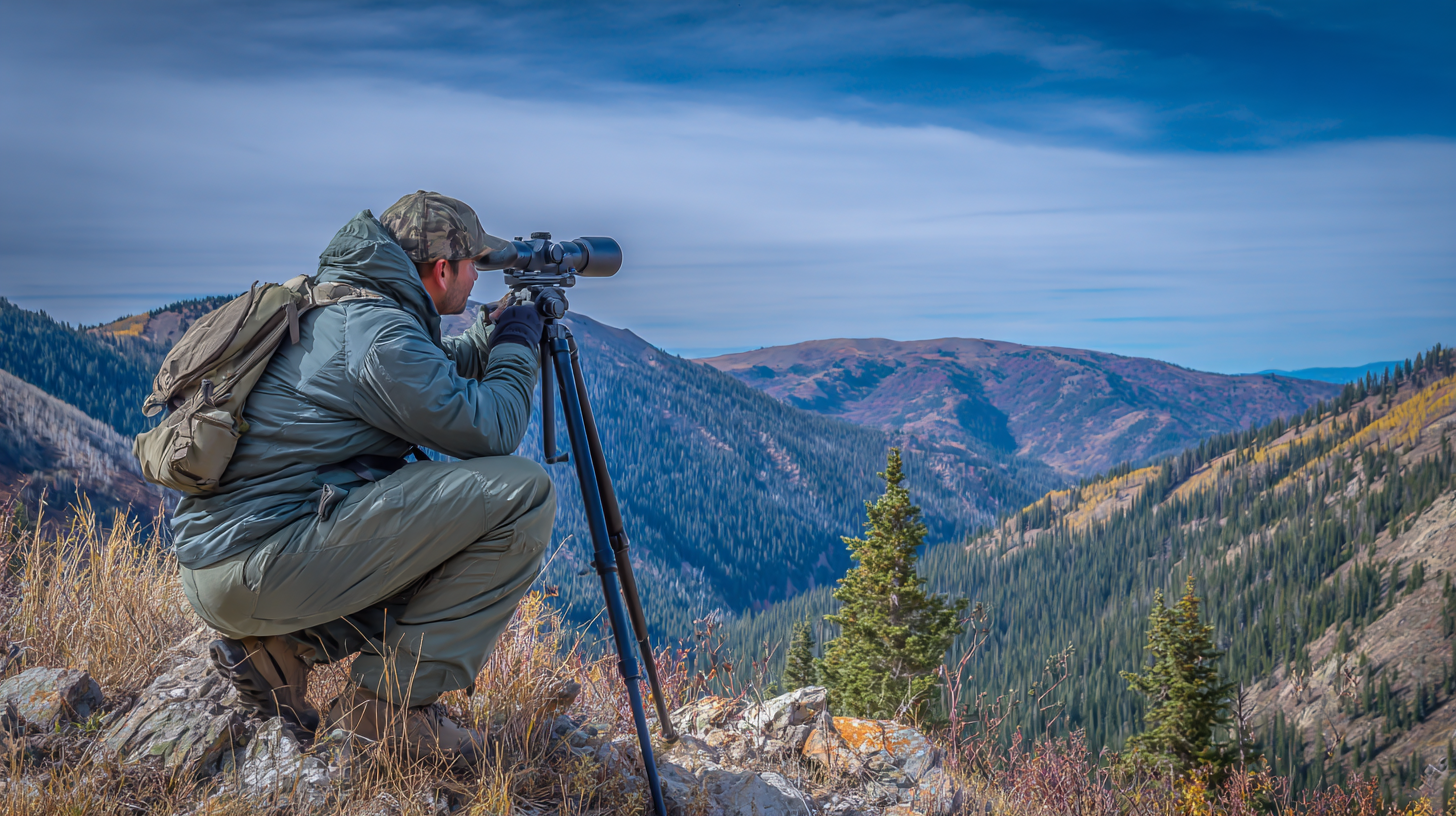
A couple of tips I’ve picked up: pay attention to the weight capacity and make sure it matches your spotting scope. A heavier-duty tripod usually means better stability, which is a big plus. Also, features like adjustable legs and quick-release plates are a game changer—they make setup way easier and packing up less of a chore. Don’t shy away from reading reviews or asking around for recommendations; finding something that hits a good balance between quality and price is worth it. Sometimes spending a bit more upfront saves you trouble (and money) down the line because you won’t be replacing your tripod constantly. In the end, it’s all about getting that extra peace of mind and a smoother outdoor viewing experience.
FAQS
: A stable tripod minimizes shake and vibrations, enhancing clarity and allowing users to focus on fine details of distant wildlife or landscapes.
Lightweight materials such as aluminum or carbon fiber are recommended for portability, especially for hiking to viewing locations.
Ensure the tripod can support the weight of your spotting scope and any additional gear like eyepieces and adapters.
Adjustable legs allow you to achieve the perfect viewing height and angle, providing comfort during prolonged observations.
Aluminum tripods are generally more affordable and provide decent stability, but they can be heavier compared to other materials.
Carbon fiber tripods offer excellent stability and are much lighter, making them ideal for outdoor adventures that require portability.
Plastic tripods are the least durable and may not withstand challenging conditions, but they can be a lightweight option for casual users or those on a budget.
For long treks, prioritize lightweight materials like carbon fiber for ease of carry, while aluminum may suffice for more static setups.
Conclusion
Picking out the right spotting scope tripod can really make a difference when you're out exploring. A steady tripod isn’t just a luxury — it seriously boosts your viewing experience, making everything clearer and more enjoyable. When you're searching for that perfect tripod, it’s helpful to think about a few things, like what material it’s made of, whether it adjusts easily to different heights, and how portable it is. Each material has its perks — some are lightweight, some are super durable — so it’s about finding what suits your needs best. And don’t forget, making sure it’s compatible with your spotting scope is key to getting the best performance.
Budgeting smartly helps you find a quality tripod that won’t break the bank but still gets the job done. For instance, AOKA, based right in the heart of China’s photography gear scene, makes some fantastic tripods. They’re known for being reliable and geared towards both pros and hobbyists who love getting outdoors. Once you keep these points in mind, you’ll be able to pick out a tripod that fits your needs perfectly and makes your outdoor adventures even better.