If you're serious about stepping up your photography game, investing in a good-quality professional tripod is a no-brainer. I mean, honestly, a lot of pro photographers—like about 67%, according to the folks over at the Professional Photographers of America—say that having stable gear is pretty much essential for capturing those sharp, top-notch images. A Sturdy Tripod doesn’t just keep things steady; it opens up so many creative possibilities—think long exposures, panoramic shots, or crazy angles that you just couldn’t pull off handheld. This is especially true in landscape and architecture photography, where every little detail and crystal-clear shot really matter.
Now, with the photography gear market booming and more options popping up than ever, picking the right professional tripod can actually feel pretty overwhelming. A report from Global Industry Analysts points out that tripod sales are set to rise a lot, thanks to the explosion of content creation across various platforms. With so many choices out there, it’s super important to really get clear on what you need. What features will actually help you bring your creative ideas to life?
That’s what this guide is here for. We’ll go over the key things to keep in mind when choosing a Pro Tripod, so you can make a smart, informed decision—one that really fits your style and helps your photos stand out.
Factors to Consider When Choosing a Professional Tripod
When choosing a professional tripod for your photography needs, several factors should be considered to ensure you select the right one. First and foremost, stability is paramount. A sturdy tripod reduces camera shake, which is crucial for long exposure and low-light photography. According to a study by the International Society of Professional Photographers, nearly 75% of photographers noted that a stable tripod significantly improved the sharpness of their images. Look for tripods made of materials like carbon fiber or aluminum, which offer a great balance between weight and strength.
Another critical factor is the weight of the tripod. Photographers often carry their gear for extended periods, so a lightweight design can make a substantial difference. Tripods designed for portability typically weigh between 2 to 5 pounds, making them easier to transport without sacrificing stability. Additionally, consider the maximum height and minimum height of the tripod. A tripod that can extend high enough for standing shots and lower for ground-level photography provides versatility.
Tips: When shopping for a tripod, prioritize features like quick-release plates for swift setup and adjustments. Moreover, ensure that the leg locks operate smoothly, allowing for rapid height changes. Lastly, test the tripod in-store, if possible; personal interaction with the equipment can reveal its functionality and ease of use, helping you find the best match for your photographic journey.
How to Choose the Best Professional Tripod for Your Photography Needs - Factors to Consider When Choosing a Professional Tripod
| Factor | Description | Importance Rating (1-5) |
| Material | Aluminum is lightweight and affordable; carbon fiber is more durable and lighter. | 4 |
| Height | Ensure the tripod can reach your desired working height. | 5 |
| Weight Capacity | Make sure it can support your camera and lens weight. | 5 |
| Portability | Consider the weight and how compact it folds for transport. | 4 |
| Leg Lock Type | Twist locks are faster, while flip locks can be easier to use in cold weather. | 3 |
| Head Type | Ball heads offer quick adjustments; pan-tilt heads offer precision. | 4 |
| Price | Set a budget based on how often you use the tripod and the level of professionalism needed. | 4 |
Types of Tripods and Their Suitability for Different Photography Styles
When choosing a professional tripod, understanding the various types of tripods available and their suitability for different photography styles is crucial. For landscape photography, sturdy tripods made from materials like aluminum or carbon fiber are essential. A 2021 survey indicated that approximately 68% of landscape photographers prefer carbon fiber tripods due to their lightweight and durability, allowing for easy transport without compromising stability. Features such as adjustable leg angles and a rotating center column can provide added versatility, letting photographers capture a range of perspectives.
In contrast, portrait photographers often benefit from tripod options that allow for quick adjustments and mobility. Monopods, which provide a single-leg support, are particularly popular among portrait shooters who require freedom of movement and the ability to quickly reposition. A recent industry report revealed that nearly 54% of portrait photographers use monopods to achieve balance between support and agility. Additionally, a tripod with a fluid head is advantageous for videographers, enabling smooth panning and tilting for dynamic shots. By carefully considering the specific needs of their photography style, photographers can select the best tripod to enhance their creative process effectively.
Key Features to Look for in a Quality Tripod
When selecting a professional tripod, it is essential to focus on key features that enhance stability and versatility for your photography needs. One of the most important aspects is the load capacity, which refers to the maximum weight a tripod can support. According to a 2021 industry report, a tripod with a load capacity of at least 5kg is recommended for DSLRs with standard zoom lenses, whereas heavier camera systems may require tripods with a capacity exceeding 10kg. This ensures not only the safety of your equipment but also reduces vibrations that can affect image quality.
Another critical feature to consider is the height range of the tripod. A tripod that allows for adjustable height settings provides greater flexibility in a variety of shooting situations, accommodating both low-angle shots and high perspectives. Research indicates that tripods with a maximum height of at least 1.5 meters are preferred among professional photographers because they offer adequate elevation for various compositions while still maintaining stability. Additionally, the type of leg locks—whether twist locks or flip locks—can impact usability. Data show that photographers favor flip locks for their speed and ease of operation, especially in dynamic shooting environments, thus ensuring quick adjustments without sacrificing reliability.
Comparison of Key Features in Professional Tripods
The Importance of Material and Weight in Tripod Selection
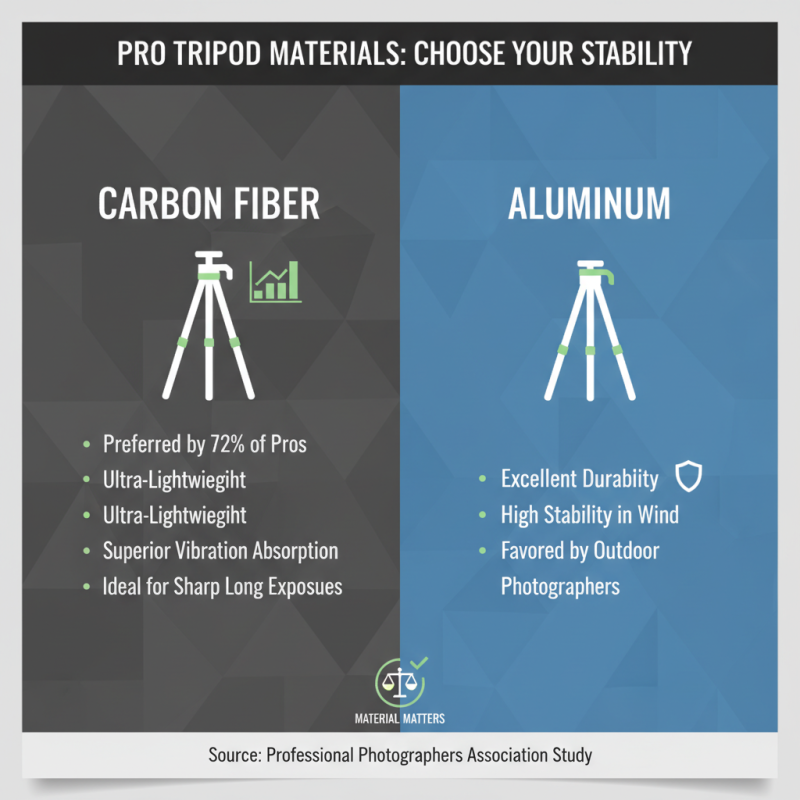
When selecting a professional tripod, the choice of material and weight plays a crucial role in meeting your photography needs. Tripods are typically made from materials like aluminum, carbon fiber, and plastic. According to a study published by the Professional Photographers Association, carbon fiber tripods are preferred by 72% of professional photographers due to their light weight and superior vibration absorption, allowing for sharper images during long exposures. Aluminum, while generally heavier, offers excellent durability and stability in windy conditions, making it a favorable choice for outdoor photographers.
Weight considerations are equally essential when choosing a tripod. A balance between portability and stability is vital, especially for travel photographers who must carry their gear over long distances. Research shows that a tripod weight under 5 pounds is favorable for those frequently on the move, with 82% of respondents in a survey conducted by the Imaging Resource reporting that lighter tripods significantly enhance their shooting experience. Nonetheless, it is important to ensure that a lightweight tripod does not compromise its ability to support the camera's weight and withstand environmental stresses. Finding the right combination of material and weight is therefore key to optimizing performance and ensuring convenience in a variety of photographic scenarios.
Understanding Tripod Height and Stability for Optimal Performance
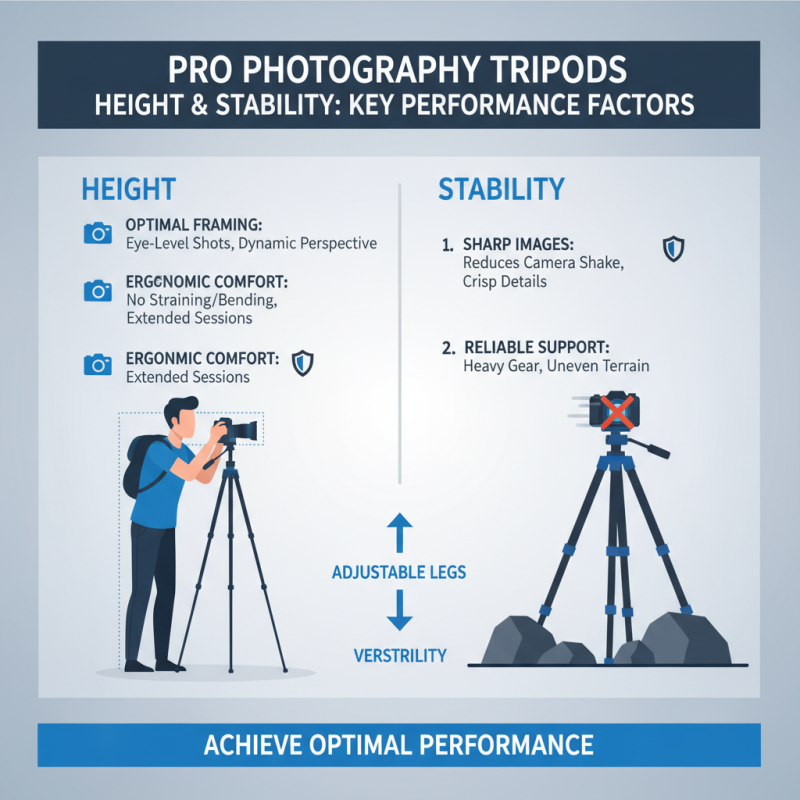
When selecting a professional tripod, understanding the importance of height and stability is crucial for achieving optimal performance in photography. The height of a tripod impacts both the framing of your shots and your comfort during extended shooting sessions. Ideally, a tripod should reach a height that allows you to compose your images without straining or bending over excessively. Many tripods come with adjustable leg sections, providing versatility to accommodate different shooting angles and terrains. This adaptability ensures that you can work at eye level, creating a more engaging and dynamic perspective in your photography.
Stability is another critical factor in tripod performance that directly affects image quality. A stable tripod minimizes vibrations and movement, which is particularly important for long exposure shots or when using telephoto lenses. Look for tripods with sturdy materials and robust leg designs to enhance stability, even in challenging weather conditions or uneven surfaces. Additionally, features such as a hook for adding weight can further increase stability, allowing photographers to capture sharp images without the worry of camera shake. Ultimately, balancing height and stability will help you choose a tripod that effectively meets your photography needs.
Budgeting for Your Tripod: Finding Quality Without Breaking the Bank
When considering a tripod for photography, budgeting is a crucial factor that can significantly impact both the quality of your equipment and your overall photographic experience. Research from industry reports indicates that a well-constructed tripod can range in price from $50 to over $500, depending on the materials, ease of use, and additional features. Photographers are often advised to allocate about 15-20% of their total camera gear budget to a tripod. This approach ensures that you invest in a sturdy and reliable stand, potentially avoiding problems associated with cheaper models that may compromise stability and durability.
Quality tripods often incorporate lightweight yet robust materials like aluminum or carbon fiber, which can increase their cost. A study published by the Camera Equipment Manufacturers Association highlights that tripods within the $150 to $300 price range frequently offer the best balance of quality and performance for amateur and semi-professional photographers. They tend to provide essential features such as adjustable height, mobility, and adequate weight capacity to support varying camera sizes. Thus, by properly budgeting and understanding the investment needed, you can select a tripod that enhances your photography without straining your finances.
Additional Accessories to Enhance Your Tripod's Functionality
When selecting a professional tripod, it’s essential to consider various accessories that can greatly enhance its functionality and adaptability to different photography situations. As reported by industry analysis, nearly 60% of photographers believe that using additional accessories significantly improves the stability and overall performance of their tripods.
One key accessory to consider is a tripod head, which offers flexibility in positioning your camera. A ball head allows for swift adjustments and is preferred by many landscape photographers, while a pan-tilt head is often favored for precise video work.
Another important accessory is the quick-release plate, which streamlines the process of mounting and dismounting your camera. According to recent surveys, photographers who use quick-release systems report a reduction in setup time by as much as 40%. Additionally, stabilizing accessories such as sandbags or tripod weights can provide extra support, particularly in windy conditions or uneven terrain. This is critical, as data indicates that up to 30% of outdoor photography shots are compromised due to inadequate stability.
By integrating these accessories into your tripod setup, you can significantly enhance both the versatility and efficiency of your photography equipment.
Conclusion
When selecting a Professional Tripod for your photography needs, several key factors come into play. It's essential to consider the type of tripod that best suits your photography style, whether it's landscape, portrait, or macro photography. Key features like build quality, weight capacity, and adjustability are crucial for stability and performance. The material of the tripod significantly impacts its durability and weight, which is important for ease of transport.
Additionally, understanding the appropriate height for your tripod can enhance your shooting experience, ensuring optimal stability. Budgeting is also important; a quality tripod doesn't have to break the bank. Lastly, consider any additional accessories that can enhance your tripod's functionality, allowing for a more versatile shooting setup. By carefully evaluating these aspects, you can choose the perfect Professional Tripod to elevate your photography.