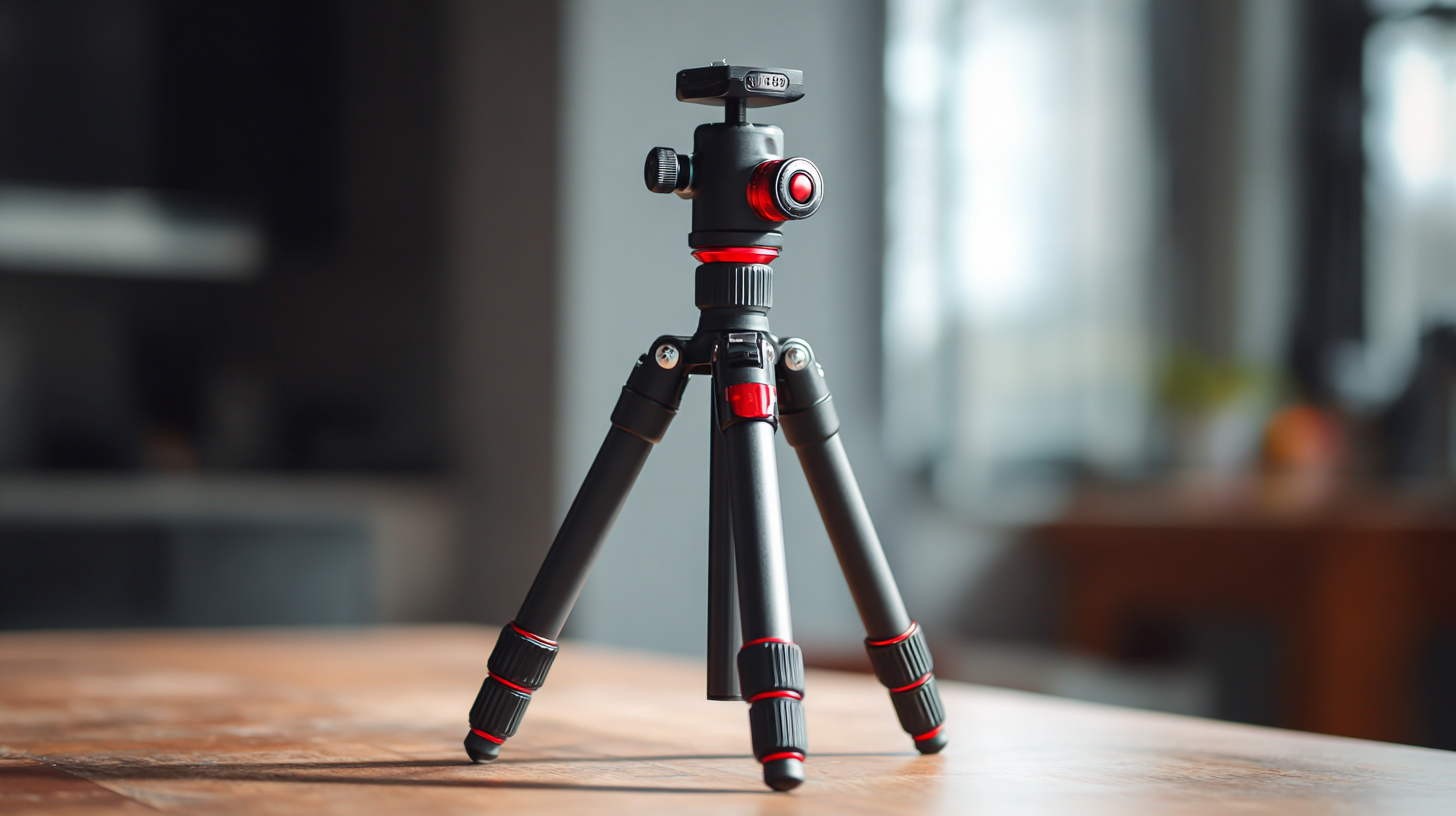
When it comes to photography, picking the right Lightweight Tripodcan really make a difference—it’s key for capturing sharp images and staying versatile during shoots. Lots of pros say that having a Sturdy Tripod is essential for keeping the camera steady, especially when you're doing longer exposures.
It’s no surprise that with outdoor and travel photography booming, people are looking for lighter gear, and sales of compact tripods shot up by about 30% last year. One company that’s really leading the charge here is Zhongshan AOKA Photographic Equipment Co., Ltd. — they’re based in the heart of Tanzhou Zhongshan, a place well-known for top-notch photographic gear.
AOKA’s earned a solid reputation for making high-quality tripods that cater to both professional shooters and hobbyists alike—offering that sweet spot of stability and portability that everyone’s after.
Key Features to Look for in a Lightweight Tripod for Photography
When you're on the hunt for a lightweight tripod for photography, it's pretty important to pay attention to the main features that boost stability and make carrying it around easier. The tripod market’s been growing quite a bit – it’s actually projected to hit around $4.64 billion by 2033, with a compound annual growth rate of about 3.5%. So, picking the right gear isn’t just a toss-up anymore — it’s key for both hobbyists and pros alike. A good lightweight tripod should be built from sturdy materials like carbon fiber or aluminum. Not only do these materials keep the weight down, but they also make sure your tripod is strong enough to hold your camera and gear comfortably.
Another thing to keep in mind is how much weight the tripod can support. You want something that can handle your camera setup, including lenses and accessories, without feeling fragile — all while still being easy to carry around. Things like the height range and how the legs lock in place really matter, too. Quick-release leg locks are awesome because they let you set up and tweak your tripod super fast — super handy if you’re trying to catch a fleeting moment, like watching the Perseid meteor shower when timing is everything. Basically, investing in a reliable and versatile lightweight tripod can seriously upgrade your photography game and the shots you get.
Understanding the Importance of Weight and Portability in Tripods
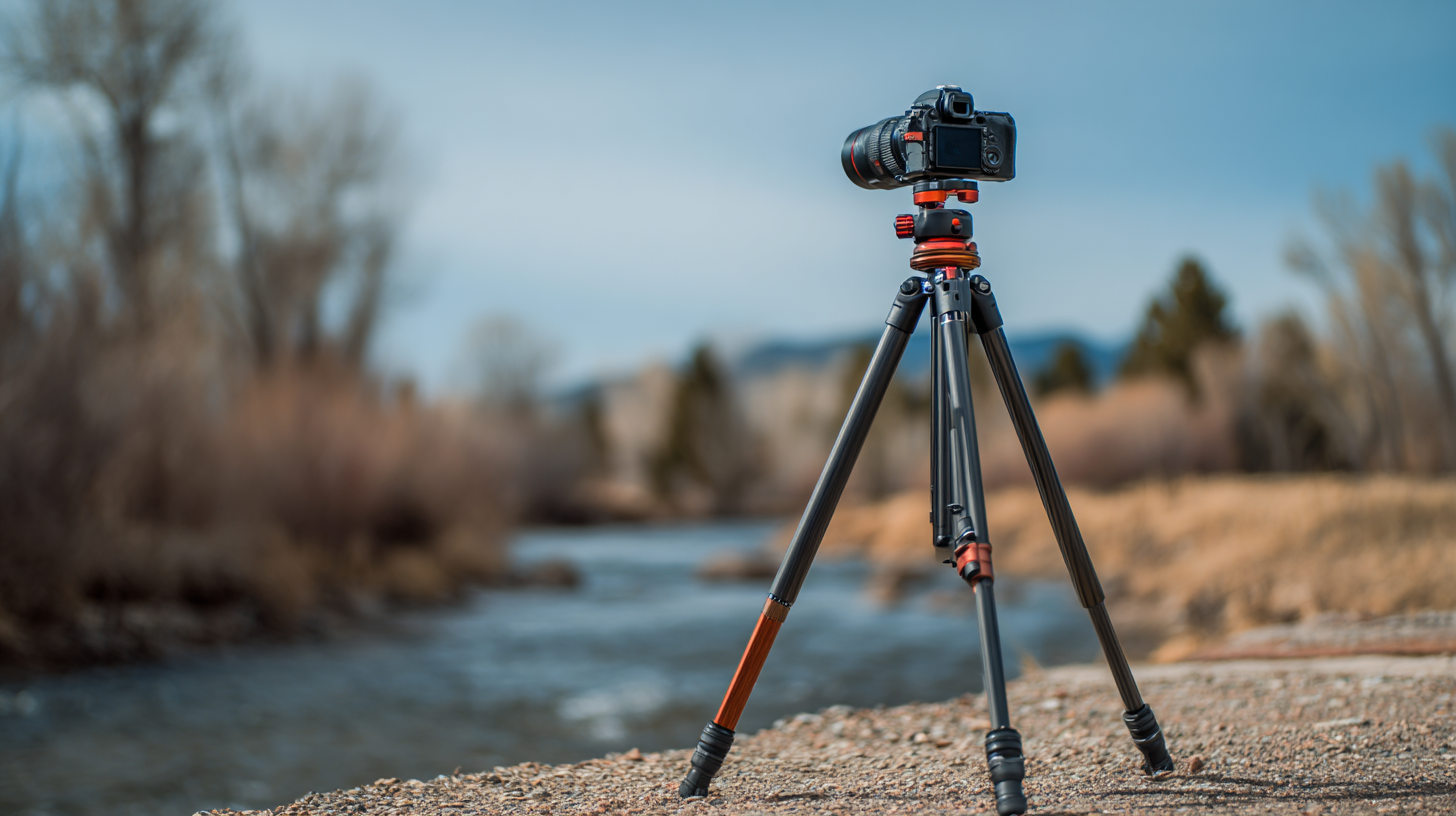
When you're looking for a lightweight tripod for your photography gear, it’s really all about balancing weight and portability. If you’re someone who travels a lot or hikes out to remote spots, a heavy tripod can quickly become a real hassle. A lighter tripod not only makes carrying things easier but also kinda encourages you to seize those spontaneous shooting moments without hesitation. Just keep in mind, you want a tripod that’s sturdy enough to support your camera gear but doesn’t turn into a heavy, bulky burden.
When you’re choosing the right one, it’s worth checking out what materials they’re made from. For example, carbon fiber tripods are pretty awesome—they’re lightweight but still really durable. Also, look for models that fold up compactly; it makes them so much easier to pack and carry around. Oh, and don’t forget to check the height adjustability—many lightweight tripods offer flexible height options, which is a lifesaver when you’re in the field for long shoots.
Here at AOKA, based in Tanzhou Zhongshan, we get how important it is to craft tripods that suit the needs of both pros and hobbyists alike. Our focus is on quality—making sure each tripod offers solid stability and easy portability. We want to give photographers the tools they need to capture incredible shots, wherever their adventures take them.
Comparing Materials: Aluminum vs. Carbon Fiber for Tripod Construction
When you're trying to pick out the best lightweight tripod for your photography adventures, the material it’s made from really matters — it can make a big difference in how easy it is to carry around and how well it performs. Usually, you’ll see tripods made from either aluminum or carbon fiber, each with their own set of advantages and drawbacks. Aluminum tripods tend to be more budget-friendly and solid, which makes them a good pick if you’re just starting out or need something reliable that can handle different environments. On the flip side, they’re a bit on the heavy side, so if you’re into hiking or traveling a lot to get to your shoots, that extra weight could be annoying.
Now, carbon fiber tripods are pretty awesome when it comes to strength and weight. They’re super lightweight and easy to pack, perfect for folks who need portability. Plus, they excel at damping vibrations — meaning your images stay sharper, even if there's wind gusts blowing around. The only catch? They usually come with a steeper price tag, which might put them out of reach for some people.
**Some quick tips for picking the right tripod:**
1. Planning to do a lot of landscape shots across long distances? A carbon fiber tripod could save your back.
2. If you mostly shoot in a studio or controlled environment, an aluminum tripod might be all you need — sturdy enough without costing a fortune.
3. Don’t forget to check how much weight your tripod can support. It needs to handle your camera gear, plus any extra accessories you're planning to use.
Tips for Selecting the Right Height Range for Your Tripod
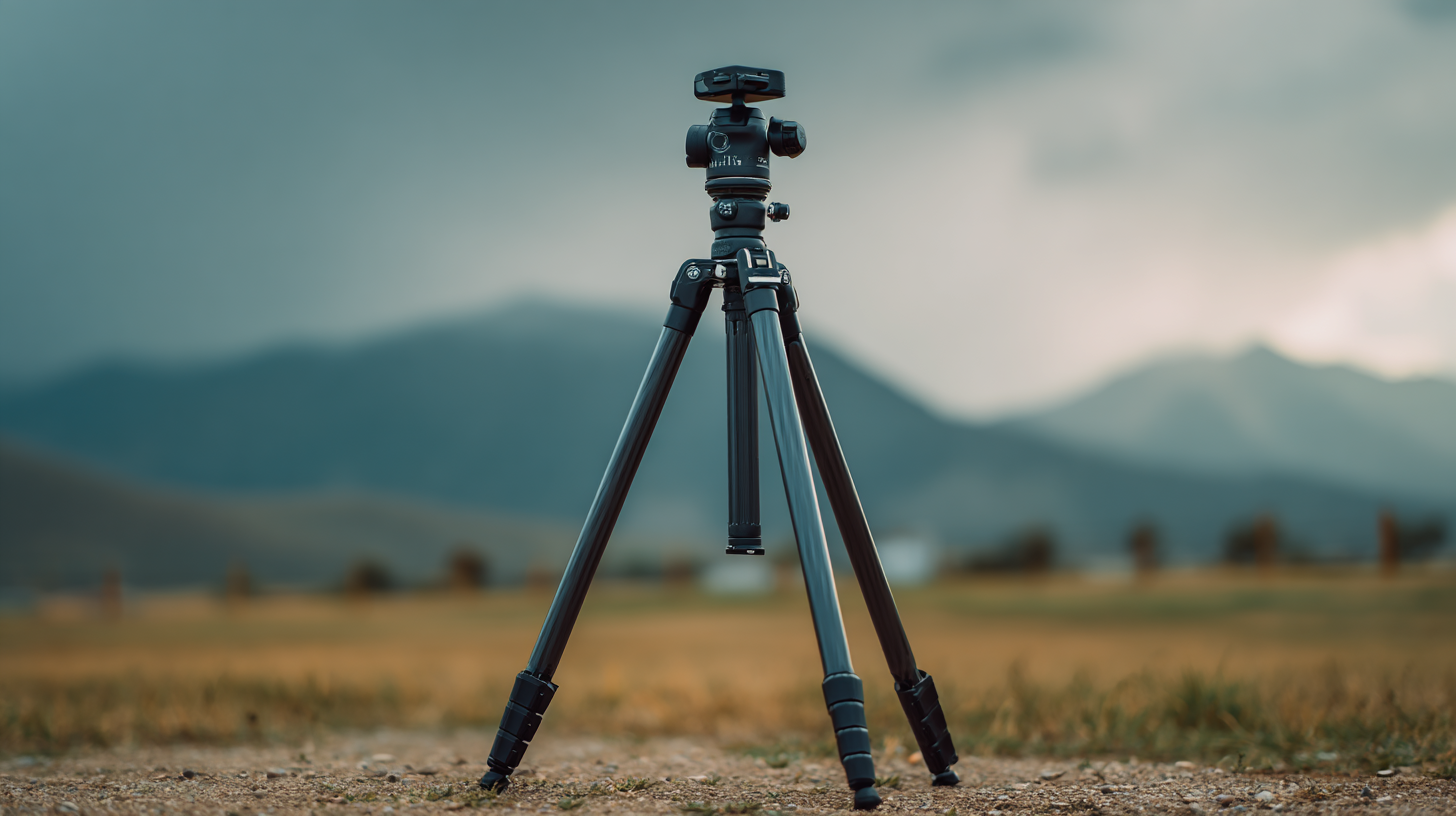
When you're on the hunt for a lightweight tripod for your photography adventures, one of the biggest things to think about is the height range. You wanna make sure it’s the right height so you can keep your camera steady and get those perfect angles. Ideally, the tripod should reach roughly eye level — that way, shooting becomes more comfy and you don’t have to weirdly bend or stretch all the time.
A few tips? First off, think about your own height and what kind of shots you usually go for. If you're into portrait stuff, a tripod that hits about your eye level is usually a sweet spot—it makes shooting people way easier. For landscape photography, you’ll want something tall enough to do low-angle shots, so look for models with adjustable legs or a center column you can extend.
Don’t forget to consider where you’ll be shooting most of the time. If you’re often out on uneven ground, go for a tripod with a flexible height range and solid leg locks to keep everything stable no matter the terrain. Just keep in mind, a lightweight tripod might not get super tall, so find a good balance between being easy to carry and versatile enough for whatever shots you’re after.
How to Choose the Best Lightweight Tripod for Your Photography Needs
| Feature | Description | Ideal Height Range (cm) | Weight (kg) | Price Range ($) |
| Material | Carbon fiber is lightweight yet sturdy, aluminum is more affordable but heavier. | 100-150 | 1.5 | 150-300 |
| Load Capacity | Make sure to choose a tripod that can support the weight of your camera and lens. | 150-200 | 1.2 | 100-250 |
| Height Adjustment | Look for a tripod with quick and easy height adjustment options. | 120-180 | 1.8 | 200-400 |
| Leg Locks | Choose between twist locks or lever locks based on your preference for ease of use. | 130-170 | 1.4 | 150-350 |
| Portability | Consider the folded size and weight for travel ease. | 100-160 | 1.0 | 100-200 |
Stability vs. Lightweight: Finding the Perfect Balance in Tripod Design
So, when you're on the hunt for a lightweight tripod for your photography, it's pretty important to find that sweet spot between being steady and easy to carry around. These tripods are built to be portable, which makes them awesome for traveling or outdoor shoots. That said, a lot of them can feel a bit flimsy, and you might end up with blurry shots because they wobble a little. But hey, lately, there’ve been some cool new designs that kind of mix durability with compactness, blurring the line between super lightweight and rock-solid stability. When shopping around, try to find one with a strong enough build that doesn’t add too much weight—so you can get clear pictures without lugging around a bulky tripod.
A couple of tips—look for tripods made from strong materials that save weight, like carbon fiber. It’s a fantastic pick because it’s durable but not heavy at all. Also, features like quick setup options and adjustable heights can make all the difference, especially when you're trying to shoot on the fly. Before you buy, it’s a good idea to set up the tripod with your camera and give it a little test run—this way, you know it’s stable enough for your needs in real-world situations.
Additional Accessories to Consider with Your Lightweight Tripod Purchase
So, you've finally picked out that perfect lightweight tripod for your photography adventures—nice choice! Now, beefing up your setup with the right accessories can actually make a big difference in how smooth your shoots go. Sure, a sturdy tripod is the backbone of good photos, but adding some extras like a decent tripod bag or spare quick-release plates can really boost your gear’s versatility and make your life easier. I came across a recent report from the Camera & Imaging Products Association, and it said that about 65% of photographers feel having a good mix of accessories is pretty much essential for their workflow.
One thing to seriously consider is getting the right tripod head that matches your shooting style. If you're into smooth panning videos, a fluid head is awesome. But if you want something more flexible for different kinds of shots, a ball head might be better. Oh, and don’t forget about tripod spikes or rubber feet—these tiny additions are super handy if you’re shooting on uneven ground. Landscape photographers, in particular, will appreciate how stable their shots stay even on rocky or soft terrain.
**Quick tip:** Always double-check the weight your tripod can handle. Industry pros usually recommend that your tripod head should support at least twice the weight of your camera gear—that way, you won’t have to worry about wobbling or accidents. Also, if you’re into mobile photography, many lightweight tripods come with adapters for smartphones, which is pretty great whether you're just into casual shots or more serious work.
Exploring the Versatility and Durability of the AOKA KG284C+BH40 Carbon Fiber Tripod for Outdoor Photography Adventures
The AOKA KG284C+BH40 Carbon Fiber Tripod stands out as an exceptional tool for outdoor photography enthusiasts. Designed with four-section carbon fiber legs, this tripod offers a perfect blend of durability and lightweight construction. Photographers can confidently carry it during their adventures, knowing that it won’t weigh them down while ensuring stability in various terrains.
One of the standout features of the AOKA KG284C+BH40 is its low center of gravity ball head. This innovative design provides unparalleled support for your camera, allowing you to capture stunning images in challenging conditions. Whether you’re shooting in windy environments or on uneven surfaces, the tripod’s solid engineering guarantees that your camera remains steady, enabling you to unleash your creativity without compromise. The practicality of its compact design further enhances its appeal, making it an essential companion for capturing breathtaking landscapes or documenting wildlife in action. This tripod is undoubtedly a must-have for those who seek versatility and reliability in their photography gear.
FAQS
: You should consider your height and typical shooting style. A tripod that extends to about your eye level is ideal for portrait photography, while for landscape photography, look for a tripod that allows for low-angle shots with adjustable legs or a center column.
A tripod that reaches eye level allows for comfortable compositions, reducing the need for excessive bending or stretching while shooting.
If you often shoot on uneven terrain, it's important to choose a tripod with a flexible height range and sturdy leg locks to ensure stability across various surfaces.
Essential accessories include a tripod bag, additional quick-release plates, a suitable tripod head (like fluid or ball heads), and tripod spikes or rubber feet for stability on different terrains.
Always check the weight capacity of your tripod in relation to your gear. It is often recommended that the head supports at least double the weight of your camera to ensure stability.
Yes, many modern lightweight tripods come with adapter options for smartphones, making them versatile for both amateur and professional photographers.
A comprehensive accessory kit is crucial as it can significantly enhance your workflow and shooting experience, according to 65% of photographers.
The type of tripod head you choose should match your shooting style; for video, a fluid head is preferable, while a ball head is recommended for versatility in still photography.
They are important because they allow your tripod to adapt to various terrains, which can help prevent blurry images caused by unstable ground.
When choosing a lightweight tripod, balance the height and portability based on your shooting preferences, as a lighter model may sacrifice some height for ease of transport.
Conclusion
So, when you're trying to pick the best lightweight tripod for your photography gigs, it really pays to think about a few key things—stuff like weight, how portable it is, and what it's made of. Tripods crafted from aluminum or carbon fiber are game changers; they give you solid support without weighing you down, making it so much easier to move around during outdoor shoots. Honestly, finding that sweet spot between stability and weight is super important because it’s all about balance—what works best for your shooting style.
Also, don’t forget about the height range. Picking a tripod that's the right height can make a big difference in how you compose your shots and how comfortable you feel while shooting. And hey, exploring extra accessories can totally boost your tripod’s usability, too. By the way, AOKA in Tanzhou Zhongshan is all about making high-quality, lightweight tripods—perfect whether you’re a pro or just getting started. They really focus on creating gear that helps photographers get the best results, no matter who you are.