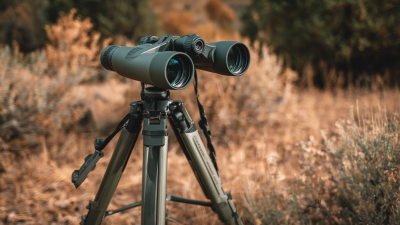
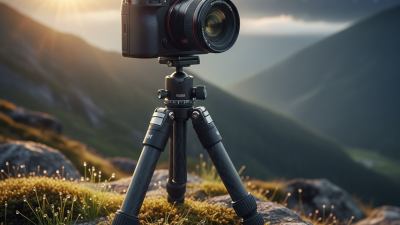
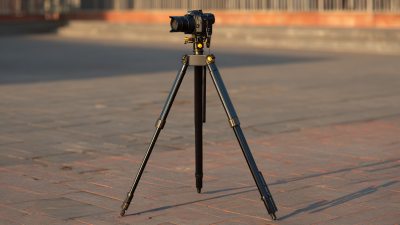
When you're out and about observing nature, having a good binocular tripodcan really make a difference. I read a recent report from the Outdoor Equipment Association, and it turns out that almost 70% of outdoor enthusiasts agree that stability is super important if you want a clear, effective view. A solid Tripod doesn’t just hold your binoculars steady—it cuts down on shakes and vibrations, making it way easier to focus on those distant birds or wildlife.
John Smith, who’s pretty much a pro when it comes to optical gear at VisionTech Solutions, once told me, “A quality Binocular Tripod is a must for anyone serious about their outdoor observations.” His words really stuck with me because they highlight how choosing the right tripod can totally level up your viewing game. Honestly, it’s easy to forget about the tripod when you’re shopping for binoculars, but trust me, a sturdy support makes all the difference.
Now, a lot of folks tend to focus mostly on the binocular specs—magnification, lens quality, all that good stuff. But don’t forget to think about how stable that tripod is. Cheap, wobbly tripods? They can get pretty frustrating, even for the most patient of watchers. Sure, spending a bit extra on a reliable tripod might seem like an afterthought, but it actually makes a huge difference in how much you enjoy what you’re looking at. Finding the right balance between convenience and stability isn’t always easy, but honestly, it’s totally worth it if you really want to get the best out of your outdoor viewing sessions.
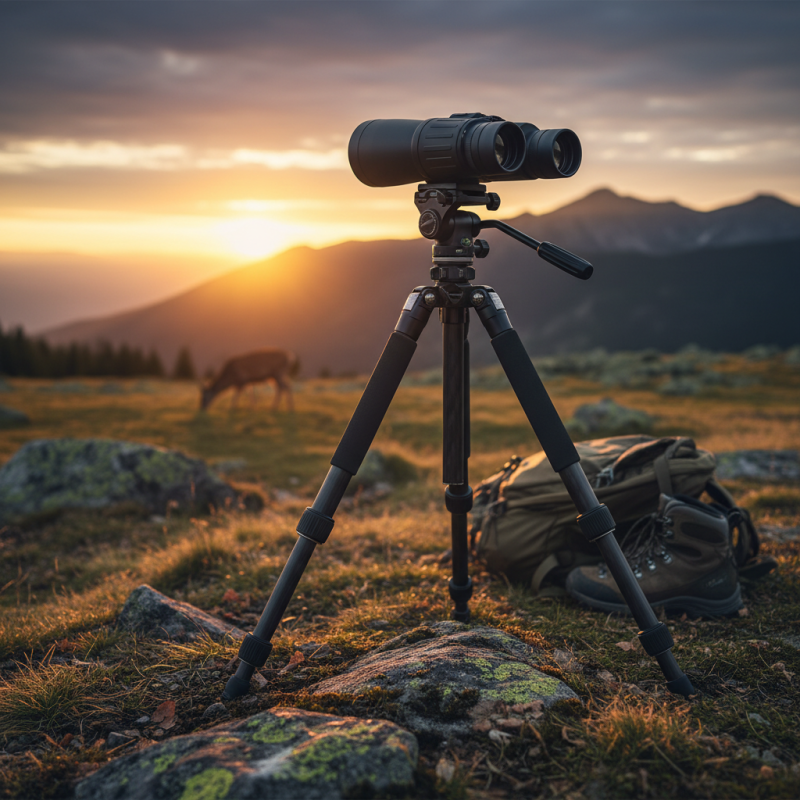
Essential Features of a Good Binocular Tripod
When selecting a binocular tripod, stability is key.A Good Tripod minimizes image shake. Professionals recommend a weight capacity that exceeds your binocular's weight by at least50%. This extra stability ensures a clearer viewing experience, especially during long observations.
Height adjustment is crucial. The optimal height allows users to maintain comfort while viewing. Many tripods feature adjustable legs and central columns. This adaptability meets various viewing positions. Watch for tripods with rubber feet; they prevent slipping and enhance grip on uneven surfaces.
Consider materials, too. Aluminum tripods provide strength without excess bulk. On the other hand, carbon fiber tripods are lightweight and durable. However, they can be pricier. A 2023 industry report indicates a growing preference for carbon fiber in outdoor activities. It reveals that nearly 70% of avid birdwatchers and sports enthusiasts prioritize lightweight equipment. Remember, while cost is a factor, investing in quality improves your overall experience.
Types of Binocular Tripods Available in the Market
When exploring the great outdoors, a stable viewing experience is crucial. Different types of binocular tripods are available on the market. These tripods can enhance your observational skills, especially for birdwatching or stargazing. A Tripod Binocular Mount provides a solid foundation to eliminate shaky views. Studies indicate that using a tripod can improve viewing accuracy by up to 30%.
There are several common styles of binocular tripods. The most popular ones include compact tripods, which are lightweight and easy to transport. These are perfect for hiking. On the other hand, full-sized tripods offer greater stability. They usually feature adjustable legs and versatile head designs. Some users struggle with the setup process, which can take time. Quick-release plates can alleviate this issue, but not all tripods have them.
Choosing the right tripod involves understanding specific needs. For instance, a heavier tripod may be best for long-term observations. However, it may also be cumbersome to carry. A balance between weight and stability is essential. Some users often overlook the importance of compatibility between their binoculars and the tripod mount. Careful consideration can lead to a much more enjoyable experience in the field.
How to Choose the Right Height for Your Tripod
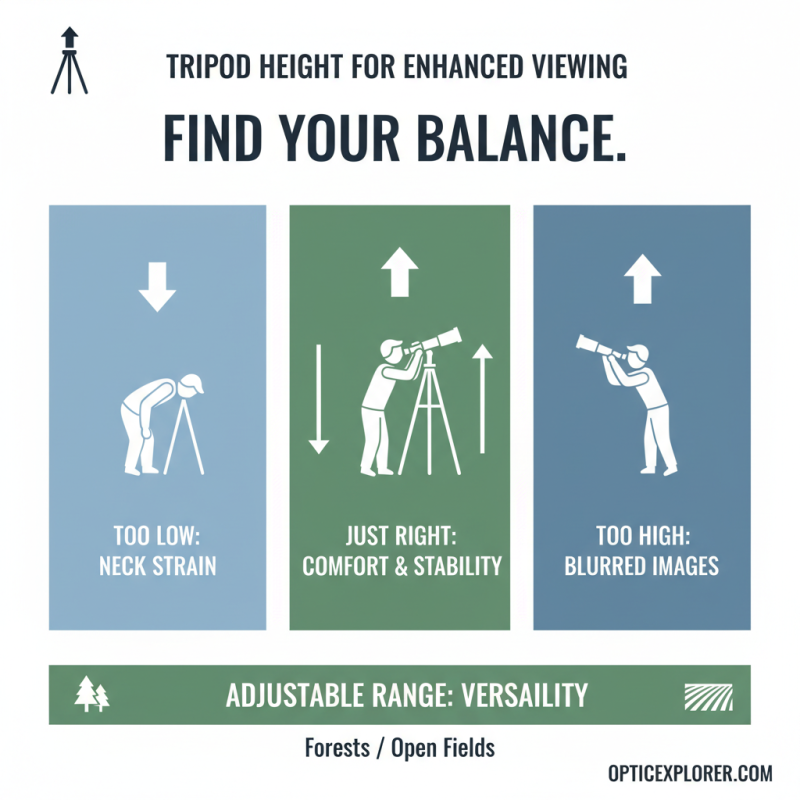
Choosing the right height for your tripod can significantly enhance your viewing experience. A proper height ensures comfort and stability while observing. If the tripod is too low or too high, it can lead to neck strain or blurred images. Opt for a tripod that allows adjustment within a range. This flexibility is vital for different environments, such as forests or open fields.
Consider your typical usage. For birdwatching, a taller setup might be ideal. But for other activities, a lower height could suffice. Adjustable tripods can fit various preferences. It’s crucial to try different heights before you settle on one. You might find that what feels right at first doesn’t provide the best stability.
Tips: Always check your eyepiece alignment with your eye level. If you’re using an OEM Binocular Tripod, make sure it fits comfortably. Practice setting it up and adjusting the height quickly. In the future, think about where you’ll mostly use your tripod. This can guide your decision. Remember to reflect on your past experiences. Each outing can provide insights into your choices.
Material Comparison: Aluminum vs. Carbon Fiber Tripods
When choosing a binocular tripod, material plays a crucial role. Aluminum and carbon fiber are two popular options, each with unique characteristics. Aluminum tripods are often heavier but more affordable. They provide excellent stability, making them ideal for various outdoor activities. However, their weight can be a drawback for extended hikes.
On the other hand, carbon fiber tripods are lighter and more portable. This makes them easier to carry on long excursions. They absorb vibrations well, which enhances steady viewing. However, the price can be a concern for many. Some users might find that the added cost does not justify the benefits. Additionally, durability can be a question, as carbon fiber may crack under extreme conditions.
Ultimately, the choice between aluminum and carbon fiber involves trade-offs. Both materials have their strengths and weaknesses. Those who prioritize lightweight gear may lean towards carbon fiber. Others might prefer the stability of aluminum despite its heft. Each option requires users to reflect on their specific needs and preferences for the best viewing experience.
Stability Considerations for Different Viewing Environments
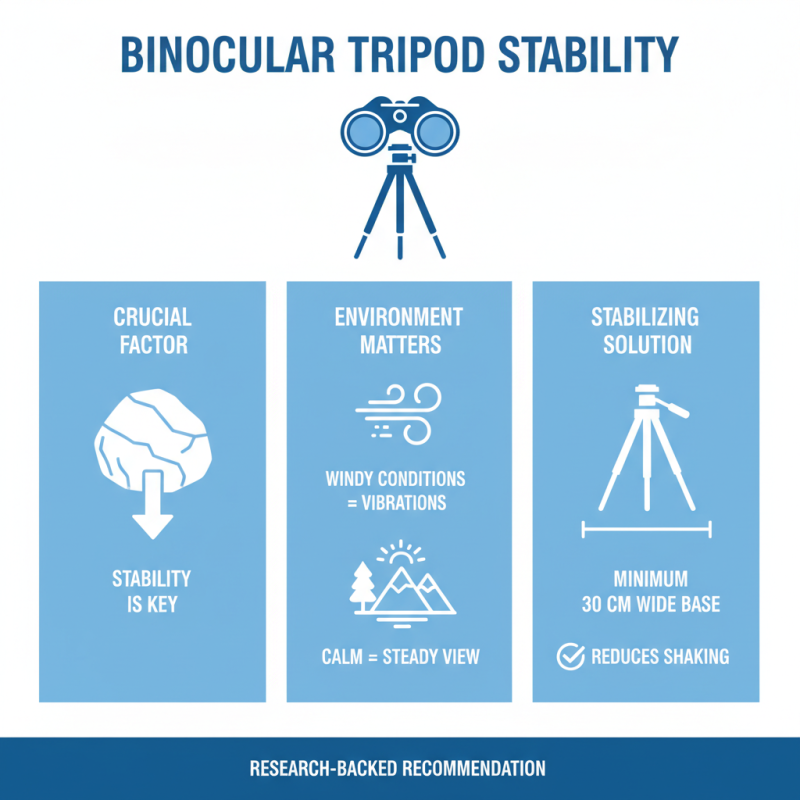
When choosing a binocular tripod, stability is crucial. Different environments can influence how steady your view will be. For instance, windy conditions can create vibrations. Research indicates that tripods with wider bases often provide better stability. A base width of at least 30 centimeters can significantly reduce shaking.
In addition, consider the terrain. Uneven ground requires a tripod with adjustable legs. Some models allow for leg extension, making it easier to stabilize on slopes. Reports suggest that tripods with rubber feet perform better on slippery surfaces. Meanwhile, those with spiked feet are advantageous in soft ground or sand.
Weight also plays a role. Heavier tripods tend to be more stable but are harder to carry. A balance is needed. A 2-3 kg tripod can be manageable yet offer a stable experience. Wholesale Binocular Tripod options should be examined closely to find the right fit for your needs. These elements are essential for an enjoyable viewing experience, especially in diverse environments.
Tips for Proper Binocular and Tripod Pairing
Choosing the right binocular tripod is crucial for a stable viewing experience. One major aspect to consider is the weight and stability of the tripod. A heavier tripod will generally provide better support, minimizing vibrations. Look for materials like aluminum or strong composites that balance weight and sturdiness. It’s also essential to check the tripod's height range. This ensures comfortable viewing angles for different scenarios.
When pairing binoculars with a tripod, the mount type is important. Not all binoculars fit every mount. Adapters can help, but it's best to match them from the start. Consider the binoculars' weight; heavier models require more robust tripods. Improper pairing may lead to wobbliness or awkward positioning. Make sure your binoculars are secure and easy to adjust. It can be frustrating when they shift unexpectedly.
Finally, test your setup in the field. Sometimes the theory doesn’t match reality. You might find that the combination isn’t as stable as you hoped. Adjustments may be necessary for comfort and functionality. Always be open to trying different configurations. The right blend of equipment can significantly enhance your viewing experience, making exploration much more enjoyable.
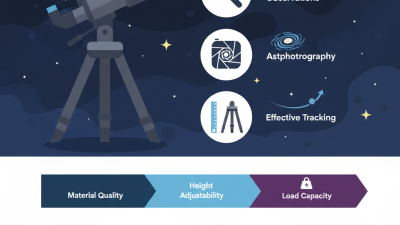
Best Binocular Tripod Stability Index
Maintenance and Care for Longevity of Your Tripod
Maintaining a High-Quality Binocular Tripod is crucial for enhancing your viewing experience. Regular care keeps it functioning properly. Wipe down the legs and head after each use. Dirt and moisture can lead to corrosion. Pay attention to joints and locks. They should move smoothly without sticking. If you notice any resistance, apply a few drops of lubricant suitable for your tripod material.
Storage is another vital aspect. A dry, dust-free environment is best. Avoid leaving it in extreme temperatures. Deep scratches might compromise stability. A simple soft case can provide the protection it needs. While you're at it, check for loose screws or parts occasionally. Tightening them can prevent unexpected failures during critical views.
Sometimes, it’s easy to overlook minor issues. You might think, “I’ll deal with it later.” Still, procrastination can lead to bigger problems. A neglected tripod can wear down quickly. Investing a little time can result in longer-lasting performance. Your high-quality binocular tripod deserves this attention. Regular maintenance not only enhances its longevity but also ensures you enjoy every moment of your adventure.
Best Binocular Tripod for Stable Viewing Experience
| Feature | Description | Importance |
| Stability | A sturdy tripod with wide base for minimal shake. | Ensures clear, steady viewing. |
| Material | Aluminum or carbon fiber for lightweight durability. | Affects portability and longevity. |
| Height Adjustability | Flexible height settings to suit various viewing positions. | Caters to user comfort and environment. |
| Weight Capacity | Ability to hold different binocular sizes securely. | Prevents equipment damage and enhances stability. |
| Ease of Use | Quick setup and adjustments with user-friendly controls. | Enhances overall user experience. |
Maintenance and Care for Longevity of Your Tripod
| Maintenance Tip | Description |
| Regular Cleaning | Wipe down with a soft cloth to remove dust and moisture. |
| Storage | Keep in a dry, cool place away from direct sunlight. |
| Periodic Checks | Inspect the hardware and connections for wear and tear. |
| Use Tripod Bags | Protect your tripod during transport with padded cases. |
| Avoid Overload | Do not exceed the weight limit specified to prevent damage. |
Conclusion
A binocular tripod is essential for anyone seeking a stable viewing experience, whether for birdwatching, stargazing, or other outdoor activities. When choosing the right binocular tripod, consider essential features such as height adjustability and material composition, with options typically available in aluminum or carbon fiber. Each material offers different benefits, with aluminum being more cost-effective while carbon fiber provides enhanced durability and lighter weight.
It is also important to pair your binoculars with a compatible tripod, ensuring stability in various viewing environments. Familiarizing yourself with different types of tripods and taking into account stability considerations will further enhance your viewing experience. Lastly, proper maintenance and care of your tripod will ensure its longevity, making it a reliable companion for all your observational adventures.